A Guide to Email Re-Engagement for Campaigns
The Hidden Cost of an Unengaged Email List
In the world of digital campaigning, list size is often treated as a primary metric of success. While a large email list can be a powerful asset, a significant portion of it may be inactive—a silent majority of subscribers who never open, click, or engage. This isn't just a vanity problem; an unengaged list is a strategic liability that costs campaigns money, damages sender reputation, and obscures valuable data insights.
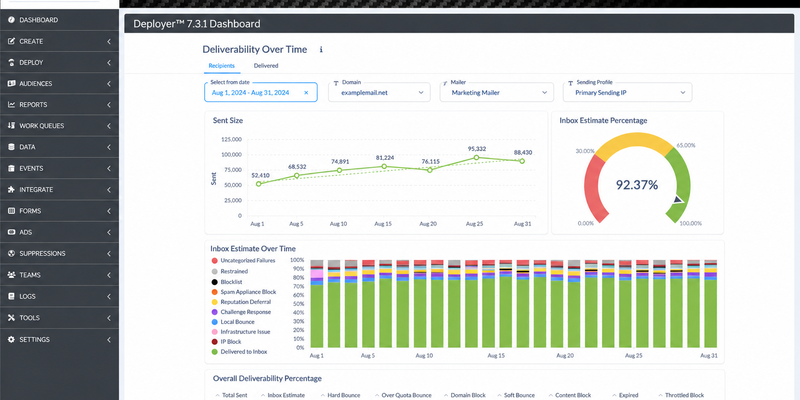
Internet Service Providers (ISPs) like Gmail and Outlook monitor engagement rates to determine whether your emails belong in the inbox or the spam folder. When a large percentage of your recipients ignore your messages, ISPs take notice. Over time, this can degrade your sender reputation, causing even your most engaged supporters to miss critical updates and fundraising appeals. Furthermore, campaigns pay for every contact on their list. Paying to message thousands of inactive subscribers is a poor stewardship of donor funds. According to general marketing industry benchmarks, email marketing databases naturally decay by about 22.5% every year, meaning that without proactive management, your list’s effectiveness is constantly eroding.
Defining Inactivity: When a Supporter Goes Silent
Before launching a re-engagement campaign, it’s crucial to establish clear, data-driven criteria for what constitutes an “inactive” subscriber. This isn't a one-size-fits-all definition and should be tailored to your campaign’s communication frequency and goals. A good starting point is to create segments based on a lack of specific actions over a set period.
- Non-Openers: Subscribers who have not opened any of your emails in the last 90 to 120 days. This is the most common and broadest category of inactivity.
- Non-Clickers: Subscribers who may open emails but have not clicked a link in the last 180 days. These individuals are passively receiving your message but are not taking the desired action, whether it's donating, signing a petition, or visiting your website.
By segmenting your list this way, you can tailor your approach. The goal is not simply to message everyone who has gone quiet, but to strategically identify those who might be persuaded to re-engage while respectfully parting ways with those who are truly gone.
Architecting the Win-Back Campaign: A Three-Step Approach
A successful win-back strategy is a structured mini-campaign designed to provoke a response. It should be respectful of the subscriber's time and direct in its purpose. Rushing this process or using generic messaging will yield poor results.
Step 1: The Initial Re-Engagement Email
The first message should be friendly and value-oriented. Your goal is to remind them why they supported your cause in the first place.
- Subject Line Strategy: Use personal, question-based subject lines that stand out. Examples include, “Are we still on the same page, [First Name]?”, “A quick question for you,” or “We noticed you’ve been quiet.”
- Content: Briefly acknowledge their absence and reiterate the core values of the campaign. Remind them of the stakes. Instead of an immediate fundraising ask, offer something of value—an exclusive policy brief, a behind-the-scenes update, or an invitation to a subscriber-only virtual town hall.
Step 2: The Final Offer and Feedback Request
If the first email elicits no response, the second should create a sense of polite urgency and seek valuable feedback. This message signals that you respect their inbox and are preparing to remove them from active communications.
- Subject Line Strategy: Be more direct. Consider phrases like, “Final chance to stay in the loop,” or “Is this goodbye?”
- Content: Clearly state that this is one of the last emails they will receive unless they take action. This is an excellent opportunity to include a simple one-click poll asking why they’ve been disengaged (e.g., “I receive too many emails,” “My priorities have changed,” or “I’m still with you, keep me on the list!”). This feedback is invaluable for refining your overall email strategy.
Step 3: The Sunsetting Process
Subscribers who do not respond to your win-back series should be moved to a suppression list. This doesn't mean deleting them entirely—their data may still be useful for historical analysis—but it does mean you stop sending them regular emails. This final step is the most crucial for improving deliverability and cleaning your metrics. For those who explicitly opt out, send a simple, professional confirmation. A message like, “Your subscription has been updated. You can always rejoin our movement at [Website]. Thank you for your past support,” leaves the door open and ends the relationship on a positive note.
The Conservative Case for List Hygiene
Beyond the technical benefits, practicing good email list hygiene aligns directly with core conservative principles.
- Fiscal Responsibility: Every dollar spent on sending emails to inactive contacts is a wasted resource. By pruning your list, you demonstrate responsible stewardship of donor contributions, ensuring that funds are directed toward engaging supporters who are genuinely invested in the cause.
- Data Integrity: A clean list provides accurate metrics. When you remove unengaged contacts, your open and click-through rates will reflect the true performance of your messaging among your active base, leading to smarter, data-driven decisions.
- Authentic Engagement: Political success is built on a foundation of genuine support. Focusing on a smaller, highly engaged list allows a campaign to foster a stronger sense of community and mobilize supporters more effectively than a large, passive audience ever could.
Moving Forward with a Stronger Base
Letting go of subscribers can feel counterintuitive, but it is one of the most strategically sound decisions a digital campaign can make. A disciplined re-engagement and sunsetting process strengthens your sender reputation, focuses resources efficiently, and provides a clear picture of your active support. In a crowded digital environment, the campaigns that succeed are not necessarily the ones with the largest lists, but the ones with the most engaged and responsive supporters.