AI-Driven Campaign Creative: How It’s Reshaping Political Advertising Strategy
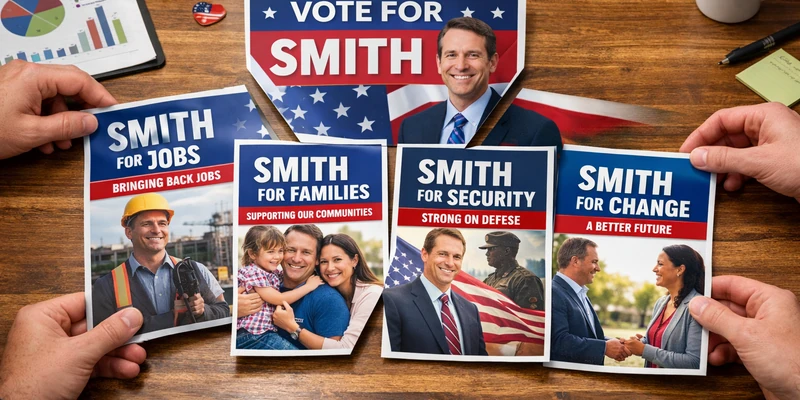
Artificial intelligence is rapidly transforming the landscape of political advertising, and campaigns that fail to adapt risk falling behind. From automated ad creation to dynamic audience targeting, AI-generated political campaigns are not just refining existing practices — they are disrupting traditional advertising models and creating new expectations for speed, personalization, and data-driven performance.
What used to require weeks of creative development, focus group testing, and iterative revisions can now be accomplished in hours through AI tools that generate copy, visuals, and optimization recommendations. This shift is particularly significant in the political arena, where the ability to respond quickly to events, opposition messaging, or shifting voter sentiment can be decisive.
Faster Creative Cycles, Greater Responsiveness
Traditional political advertising often follows long iterative cycles: draft ads, test in small markets, revise based on feedback, and then scale. AI changes that by enabling real-time creative adjustments based on performance data. Campaigns can now generate multiple versions of video, display, and social ads in minutes, test them across segments, and optimize toward what resonates.
This agility means political campaigns can respond to news events or opponent attacks with tailored creative almost immediately — a capability that was previously limited to only the largest campaigns with dedicated creative teams.
Hyper-Personalization at Scale
Perhaps the most significant disruption AI brings is hyper-personalization. Where traditional advertising relied on broad demographic categories, AI allows campaigns to tailor messages to micro-segments of voters based on behavior, preferences, and issue priorities. Rather than generic “vote for me” messaging, campaigns can deploy variations emphasizing local economic concerns, values-based appeals, or specific policy benefits that resonate with each audience slice.
This personalization is not just theory — mainstream marketing data shows personalized content increases engagement significantly compared to generic messaging. Political campaigns that harness AI personalization can therefore achieve higher relevance and more meaningful engagement with voters.
Data-Driven Production and Optimization
AI tools also excel at analyzing large datasets to inform creative decisions. By integrating performance metrics with audience insights, campaigns can identify what language, images, or calls to action are most effective. Rather than relying solely on intuition and past experience, creative teams can use data to shape future messaging with greater confidence.
This shift elevates the role of analytics in the creative process. Creative directors are increasingly working alongside data scientists to ensure messaging is grounded in empirical insights.
Challenges and Ethical Considerations
While AI offers compelling capabilities, it also introduces challenges. There are concerns about the spread of misinformation, deepfake content, and the potential for AI to generate messaging that blurs the line between authenticity and manipulation. Campaigns must therefore balance the strategic advantages of AI with robust ethical guardrails to maintain credibility and voter trust.
Moreover, over-reliance on AI without human oversight can lead to messaging that feels hollow or disconnected from real voter concerns. Effective campaigns use AI as a force multiplier — not a replacement for human judgment and strategic framing.
Strategic Implications for Political Campaigns
AI-generated advertising is reshaping the political landscape by enabling faster, more personalized, and more data-informed creative. Campaigns that embrace these tools strategically are better positioned to connect with voters, adapt to changing environments, and compete effectively even with limited resources. Those that cling solely to traditional models risk ceding ground to opponents who leverage AI’s speed and precision.
As artificial intelligence continues to evolve, political advertising will increasingly reflect its influence — not just in flashy creative, but in how campaigns understand, engage, and persuade voters.