Beyond Faster Speeds: How 5G Is Reshaping Mobile Campaign Strategy
The New Digital Infrastructure for Political Engagement
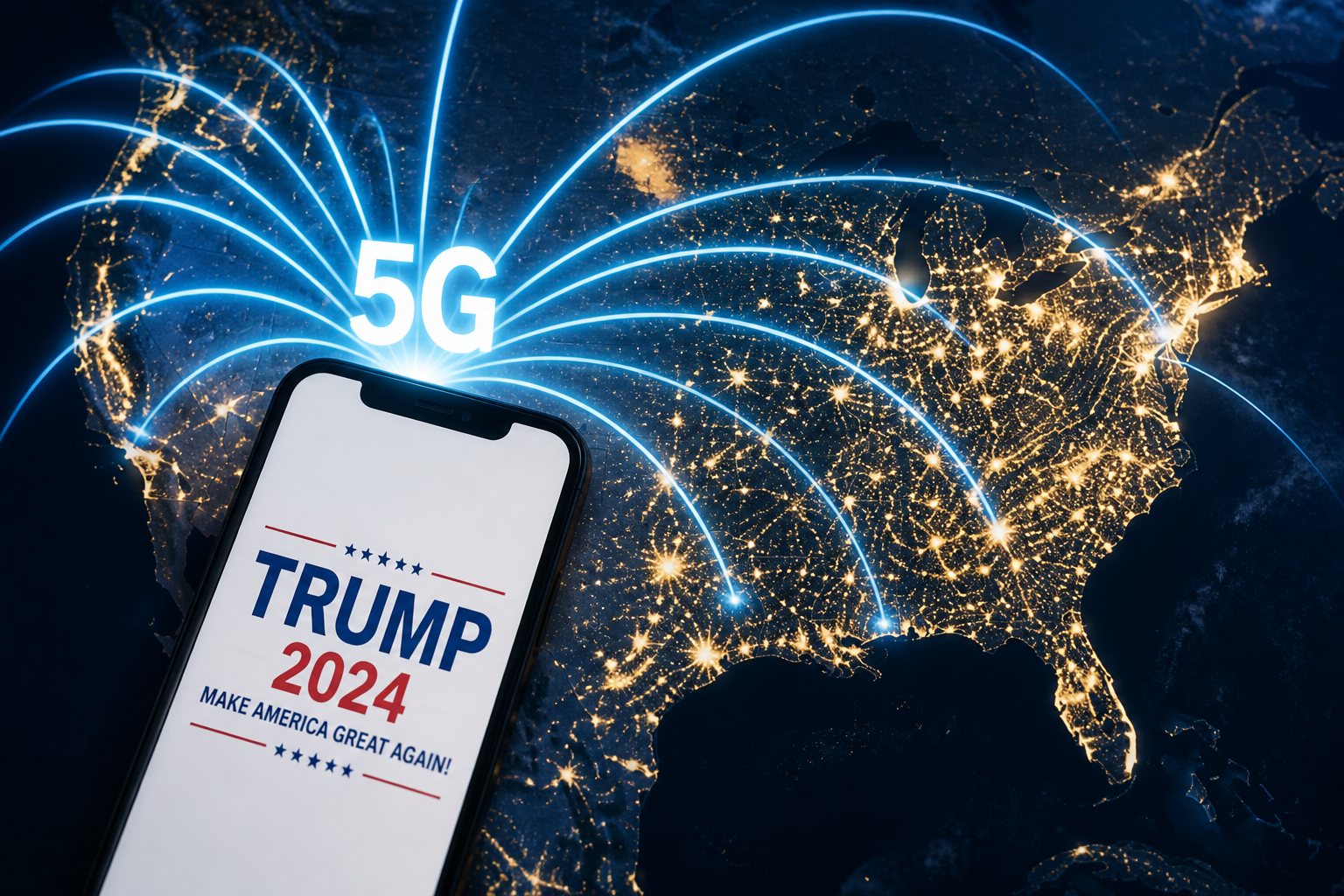
The rollout of 5G cellular networks is often discussed in terms of faster movie downloads and smoother video calls, but its implications for political marketing are far more profound. This next-generation wireless technology is not merely an incremental speed upgrade; it is a fundamental shift in digital infrastructure that will reshape how campaigns connect with voters. With significantly higher bandwidth, lower latency, and the capacity to support a massive number of connected devices, 5G unlocks new formats for voter persuasion and mobilization. As mobile devices are now the primary screen for a majority of Americans—with Pew Research Center data indicating that 85% of U.S. adults own a smartphone—campaigns that fail to adapt their mobile strategy for the 5G era risk being left behind.
From Standard Definition to Immersive Real-Time Video
One of the most immediate impacts of 5G on campaign strategy is the enhanced capability for rich media, particularly high-definition video. The era of choppy livestreams and buffered video ads on mobile networks is coming to an end. 5G’s high bandwidth allows for the seamless delivery of 4K video content, creating a more professional and engaging experience for voters on the go.
For conservative campaigns, this presents a powerful opportunity to bypass traditional media filters and deliver high-production-value content directly to supporters. Imagine a candidate hosting a town hall from a factory floor, livestreamed in crystal-clear quality to thousands of voters’ phones, with real-time Q&A functionality that operates without lag. This level of direct, unmediated communication fosters authenticity and trust. Given that audiences overwhelmingly prefer video—with some industry reports suggesting live video earns significantly higher engagement than pre-recorded content—investing in a robust mobile video strategy is no longer optional.
Hyper-Local Targeting and Real-Time Data Activation
Beyond content delivery, 5G’s technical specifications—specifically its ultra-low latency—revolutionize data collection and targeting. Latency, the delay between a data request and its response, is drastically reduced, enabling near-instantaneous communication between a user's device and a server. This empowers campaigns to execute sophisticated, location-based advertising with unprecedented precision and speed.
For example, campaigns can use geofencing to serve tailored digital ads to every mobile device at a specific event, like a competitor’s rally or a local festival, in real time. This allows for rapid response messaging and highly contextual voter contact. Furthermore, the ability to process large volumes of engagement data from mobile users almost instantly allows a campaign’s digital team to analyze trends and adjust messaging strategies on the fly, rather than waiting hours or days for reports. This agility gives campaigns a critical edge in a fast-moving political environment, helping to ensure that resources are deployed where they will have the most impact.
The Next Frontier: Augmented Reality and Interactive Experiences
While video and data are immediate beneficiaries of 5G, the technology also opens the door to emerging formats like Augmented Reality (AR). AR overlays digital information onto the physical world through a smartphone camera, creating interactive and memorable experiences. Previously limited by network lag, AR is now a viable tool for voter engagement.
Conservative campaigns can leverage AR to connect with younger demographics and showcase policy positions in innovative ways. Imagine a mobile app that allows a user to place a virtual yard sign in their front yard and share it on social media, or an AR experience that visualizes the economic impact of a proposed tax plan on a local small business. These tools transform passive content consumption into active participation, creating a deeper and more lasting impression on the voter. While still an emerging field, early adoption of these technologies can signal that a campaign is forward-thinking and in touch with the next generation of voters.
Strategic Imperatives for Campaigns in the 5G Era
To capitalize on these opportunities, campaign managers and digital strategists must proactively update their approaches. Success requires more than simply producing more video; it demands a holistic rethinking of mobile engagement.
- Invest in Mobile-First Content: All digital assets, from videos and websites to fundraising pages, must be designed for a seamless, high-quality mobile experience.
- Build Agile Data Infrastructure: Campaigns need the tools and talent to analyze real-time data streams and convert insights into actionable targeting and messaging adjustments.
- Experiment with New Formats: Allocate a portion of the digital budget to test emerging technologies like AR and interactive video to understand what resonates with your key constituencies.
- Prioritize Authenticity: Technology is a vehicle for the message, not the message itself. Use 5G’s capabilities to enhance transparency and build genuine connections, not to create digital gimmicks.
Conclusion: Securing a Competitive Edge
The transition to 5G is creating a new digital landscape for political discourse. For conservative campaigns, it offers a chance to amplify authentic messages, mobilize supporters more effectively, and build direct relationships with voters free from media distortion. The campaigns that understand and harness the strategic potential of this new technology will not only communicate more effectively but will also build the agile, data-driven operations necessary to win in the modern political arena.