Winning the Red Wave: High-Conversion Lead Strategies for Conservative Candidates
The End of the Purchased List: Earning Your Supporters in the Digital Age
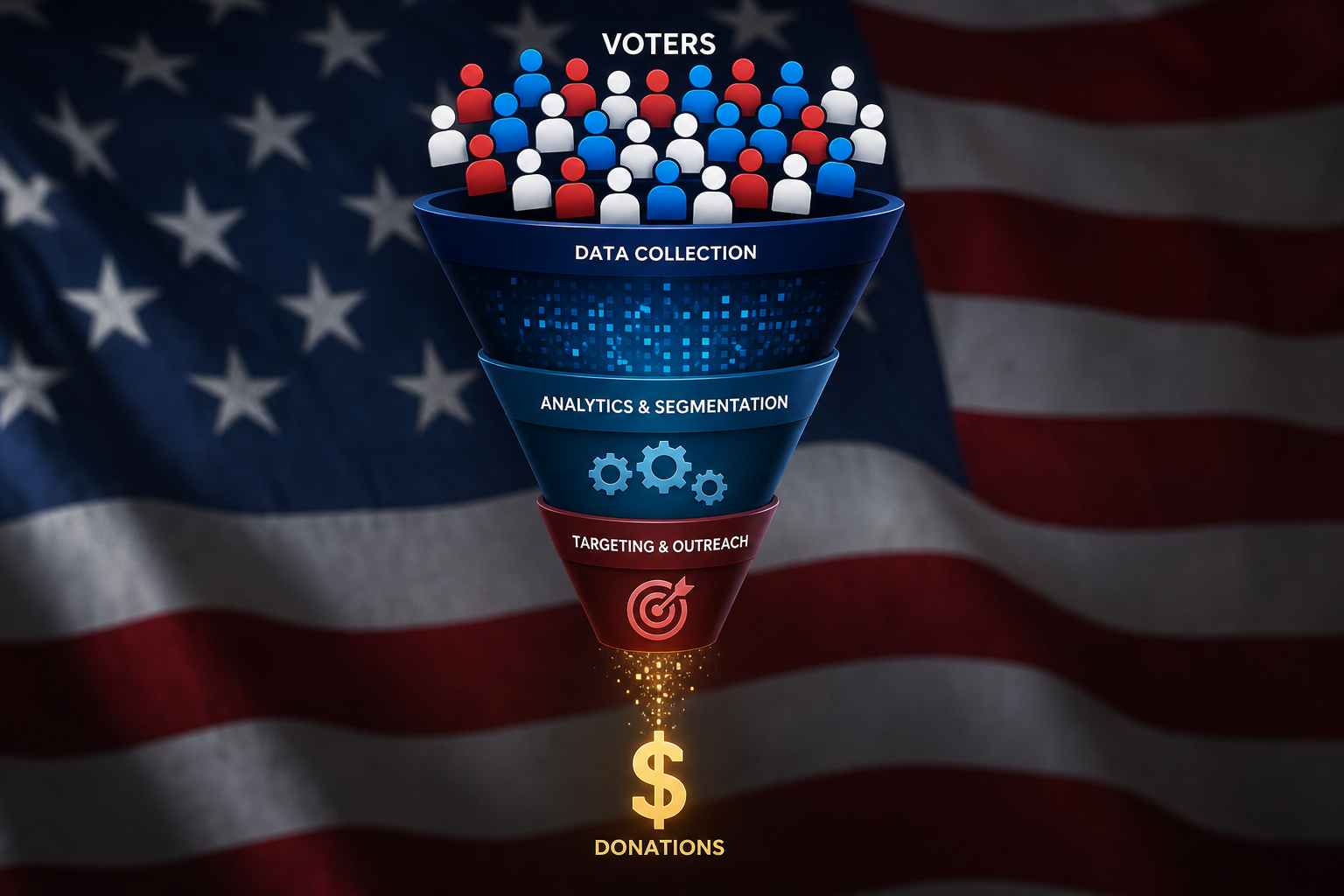
For decades, a campaign’s strength was measured by the size of its mailing list—often purchased, rented, or cobbled together from voter files. In today’s saturated digital environment, that model is obsolete. The success of a modern conservative campaign hinges not on the sheer volume of its contacts, but on the quality, intent, and engagement of the supporters it has earned. Building a powerful coalition requires a sophisticated, multi-channel approach to lead generation that transforms passive interest into active support, donations, and votes.
A high-quality lead isn't just an email address; it's a signal of intent. Differentiating between a low-intent petition signer and a high-intent event registrant is the first step toward efficient resource allocation and effective messaging. The goal is to build a ladder of engagement, and it starts with a smart, data-driven acquisition strategy.
Foundational Tactics: Mastering Digital Acquisition Channels
Every robust lead generation program is built on a foundation of proven digital tactics. These methods are designed to grow your list at scale while providing initial data points for future segmentation.
Digital Lead Generation Ads
Platforms like Meta (Facebook and Instagram) remain powerful tools for acquiring new supporters. Lead generation ad formats allow users to submit their contact information without ever leaving the platform, dramatically reducing friction. The key to success lies in targeting. Campaigns can leverage their existing donor files or volunteer lists to create high-value “lookalike” audiences, reaching new users who share characteristics with their most dedicated supporters. Compelling creative that offers a clear value exchange—such as signing up for candidate updates or joining a movement—is critical for converting ad spend into actionable leads.
Online Petitions and Issue-Based Surveys
Petitions are a classic, low-barrier entry point for new supporters. By tapping into timely, resonant issues, campaigns can capture the contact information of voters who are passionate about a specific cause. While these leads are often considered lower-intent, they are invaluable for identifying single-issue voters and building segmented lists for targeted communications. A survey or poll functions similarly, providing the campaign with valuable data on voter priorities while simultaneously capturing lead information.
Text-to-Join and QR Codes at Live Events
The energy of a live rally or town hall is a potent but fleeting resource. QR codes and text-to-join keywords are essential tools for capturing that energy and converting attendees into digital assets. With SMS messages boasting open rates that can exceed 95%, according to industry data from firms like Attentive [VERIFY], a mobile number is one of the most valuable data points a campaign can collect. These are high-intent leads captured at a peak moment of interest, making them prime candidates for immediate follow-up with donation or volunteer asks.
Advanced Strategies for Attracting High-Intent Supporters
Once the foundation is in place, campaigns must focus on tactics that attract more dedicated, higher-intent individuals. These strategies require offering genuine value in exchange for a supporter’s time and information.
Gated Content and Informational Resources
A voter who downloads a detailed policy brief, a legislative scorecard, or a constitutional guide is demonstrating a deeper level of interest than someone who simply signs a petition. By “gating” this content behind a simple contact form, campaigns can identify and segment their most intellectually engaged supporters. This tactic positions the campaign as a trusted authority and provides a natural opportunity for follow-up communications on related policy matters.
Interactive Quizzes and Personalized Polls
Engagement-focused tools like a “Test Your Constitutional Knowledge” quiz or a “What’s Your Political Priority?” poll can generate leads while providing rich data for microtargeting. These interactive formats feel less transactional than a standard sign-up form and encourage social sharing. The data collected from user responses allows for sophisticated personalization, ensuring that subsequent outreach is highly relevant to the supporter’s stated interests and values.
Event and Webinar Registrations
The gold standard for high-quality leads is an event registration. Whether for a virtual town hall, an expert panel discussion, or an in-person meet-and-greet, an RSVP signifies a significant commitment of a supporter’s most valuable resource: their time. These individuals should be segmented into a top-tier audience, receiving personalized communication from the campaign and representing the most promising pool for fundraising and high-level volunteer recruitment.
From Lead to Activist: Nurturing Your Digital Coalition
Acquiring a lead is only the beginning. Without a deliberate nurturing strategy, even the most promising list will go cold. A new supporter should immediately be entered into an automated welcome series—a sequence of emails or texts that introduces the campaign, reiterates its core values, and sets expectations for future communication.
From there, segmentation is key. Using the data gathered during the acquisition phase, campaigns must deliver relevant content. Petition signers receive updates on that specific issue. Gated content downloaders get more in-depth policy analysis. Event attendees receive follow-ups with recordings and related calls to action. This voter-first approach, powered by modern campaign CRMs, builds trust and demonstrates that the campaign is listening. It’s this commitment to relevant, respectful communication that turns a simple lead into a reliable donor, a dedicated volunteer, and a committed voter.