Beyond the Pavement: A Digital Playbook for Rural Voter Engagement
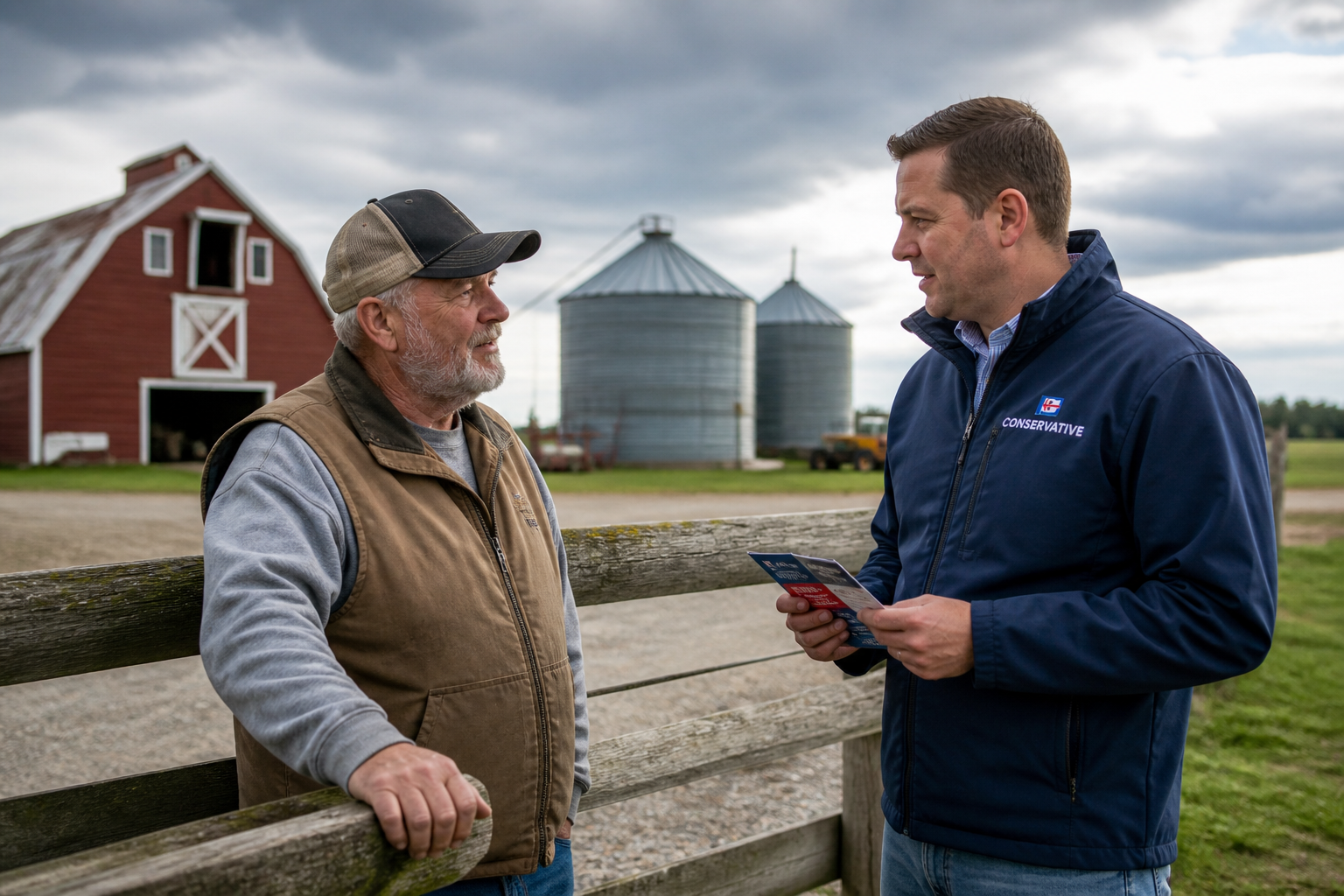
The Urban Playbook Fails in Rural America
In modern politics, the default digital campaign strategy is built for a hyper-connected, urbanized electorate. It assumes ubiquitous broadband, high social media saturation, and a news cycle driven by national media. For conservative campaigns whose path to victory runs directly through rural America, relying on this urban-centric playbook is a critical error. The communication landscape is fundamentally different, and failing to adapt means leaving votes on the table.
The reality is that a significant connectivity gap persists. According to 2023 data from the Federal Communications Commission, millions of Americans, predominantly in rural and tribal areas, still lack access to high-speed internet. This isn't just an infrastructure issue; it's a campaign strategy challenge. A video-heavy ad campaign that performs well in a suburb of Atlanta will fail to load for a voter in rural Georgia. To effectively engage this core constituency, campaigns must deploy a nuanced, hybrid strategy that respects the technological and cultural realities of the heartland.
Adapt Your Digital Toolkit for Low-Bandwidth Realities
Effective rural outreach isn't about abandoning digital tools; it's about choosing the right ones. The goal is to reach voters on the platforms they use with content they can access. This requires a shift from high-production, data-intensive assets to more direct and efficient methods.
Key tactics include:
- SMS and Peer-to-Peer (P2P) Texting: Text messaging is the great equalizer. It requires minimal bandwidth and has exceptionally high open rates, often cited as exceeding 90%. Use SMS for event reminders, get-out-the-vote (GOTV) pushes, and sharing links to news articles or donation pages. P2P platforms allow for personalized, conversational engagement at scale, which is crucial for building trust.
- Geofenced Advertising at Community Hubs: Rural life revolves around local hubs: the county fair, high school football games, the local diner, and church gatherings. Geofencing allows you to serve simple, effective display ads to mobile devices within these specific locations. It’s a highly targeted way to ensure your message reaches engaged community members without relying on broad, inefficient ad buys.
- Invest in Local Digital News and Radio: While national media dominates the conversation in cities, local news outlets and radio stations remain trusted sources in many rural communities. Most now have a digital presence, including websites and social media pages. Placing ads on these platforms not only supports local journalism but also lends your campaign credibility by association. Their digital ad rates are often far more cost-effective than those of larger media markets.
Bridge the Gap: Integrating Digital with Traditional Outreach
The most successful rural campaigns don't choose between digital and traditional methods—they integrate them. Digital tools should amplify and extend the reach of proven, high-touch tactics like door-knocking, direct mail, and community events. This creates a cohesive experience where every piece of communication reinforces the others.
Strategies for integration:
- Use Digital to Drive In-Person Attendance: Promote town halls, rallies, and meet-and-greets through targeted Facebook event ads and P2P texting campaigns. After the event, use photos and video clips to create follow-up content for social media, extending the impact beyond those who attended.
- Connect Mail to Mobile: A well-designed mail piece is still a powerful tool. Enhance its effectiveness by including a QR code that directs recipients to a volunteer signup form, a policy video, or the candidate’s website. You can then use voter file data to follow up with a targeted digital ad or text message to households that received the mailer.
- Bring the Tech to the People: Don't wait for voters to find you online. Set up voter registration or volunteer signup kiosks at events using tablets connected to a campaign-provided satellite internet hotspot. This directly overcomes connectivity issues and demonstrates a commitment to making participation easy for everyone.
Authenticity Is the Ultimate Strategy
Finally, the most advanced digital toolkit is useless if the message doesn't resonate. Rural voters value authenticity, community, and directness. Campaign messaging should reflect these values, focusing on local issues and demonstrating a genuine understanding of the challenges and opportunities facing the community.
Avoid generic talking points and instead speak to how policies on inflation, energy, and agriculture will specifically impact their town and their families. Candidates who show up, listen, and speak plainly will always have an advantage. Digital platforms should be used to broadcast that authenticity, providing an unfiltered channel between the candidate and the voter. In a media environment that often misunderstands or misrepresents them, this direct line of communication is invaluable for building the trust required to win.