A Guide to Winning with Campaign Photography and Video
The New Front Line: Why Visuals Are Your Campaign’s Most Critical Asset
In a political environment saturated with noise, the most effective messages are often seen, not just heard. Visual content is no longer a secondary component of campaign communications; it is the primary language through which voters form opinions, build trust, and make decisions. According to industry analysis from HubSpot, content with relevant images gets 94% more views than content without. For political campaigns, this means a well-executed photo and video strategy is not a luxury—it is a strategic imperative for controlling your narrative and connecting with the electorate on a visceral level.
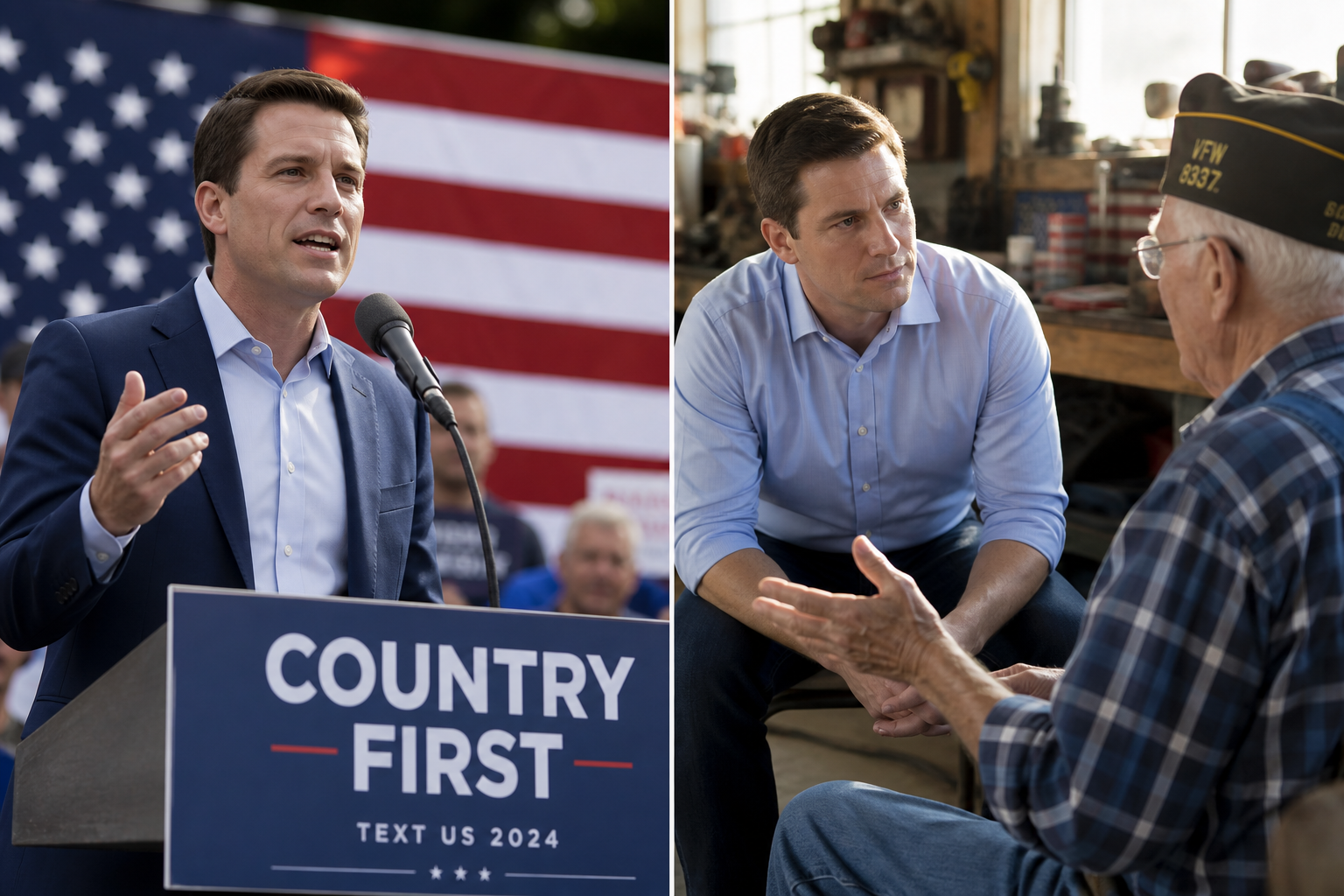
While traditional media continues to filter conservative messages, a strong visual library allows a campaign to speak directly to voters across digital platforms. Every image and video clip should be a deliberate tool for storytelling, designed to reinforce core values, humanize the candidate, and illustrate a vision for the future. Moving beyond stale podium shots and staged handshakes is essential for building the authentic connection required to win.
Mastering Campaign Photography: More Than Just a Headshot
Strategic photography captures the character of the candidate and the community they seek to represent. A campaign’s photo library must be diverse, authentic, and consistently aligned with its central message. While a professional headshot is necessary, it is the bare minimum.
The Essential Campaign Shot List
- The Listener: Images of the candidate actively listening to constituents—small business owners, farmers, parents, veterans—in their own environments. These photos convey empathy, respect, and a commitment to service over self-promotion.
- The Community Leader: Photos capturing the candidate participating in local life. This could be at a high school football game, a church picnic, or a volunteer event. These visuals ground the candidate in the district and reinforce conservative values of community and local engagement.
- Family and Faith: Authentic, tasteful photos with family that project stability and commitment. These images resonate deeply with voters who prioritize family values, but they must feel genuine, not like a staged prop.
- The Hard Worker: Behind-the-scenes shots of the candidate at work—meeting with staff, reviewing policy, or making calls. These visuals build a narrative of diligence and preparedness, countering opposition attacks that might paint the candidate as out of touch.
The Power of Political Video: From TV Spots to Viral Clips
Video is the most powerful tool in the modern communication arsenal. From high-production television ads to raw, vertical clips for social media, video content drives engagement and persuasion at a scale static images cannot match. According to a 2023 Wyzowl report, audiences are twice as likely to share video content as any other content type, making it a critical vehicle for organic reach. [VERIFY]
Building Your B-Roll Library: The Campaign’s Visual Gold
B-roll—supplemental footage that illustrates your message—is the foundation of all effective video content. Before you ever need it, your campaign should be capturing high-quality footage of:
- The District: Sweeping shots of local landmarks, main streets, farms, and factories. This footage establishes a sense of place and connects the candidate to the community.
- The People: Candid shots of diverse constituents at work and in their communities. This provides the human element for policy-focused ads.
- The Candidate in Action: Footage of the candidate walking, talking, and interacting with people. This is essential for creating dynamic, visually interesting content.
A robust B-roll library allows your team to produce rapid-response videos and compelling ads quickly, without having to schedule a new shoot for every need. It is an investment that pays dividends throughout the campaign cycle.
Structuring a Multi-Platform Video Strategy
Not all video is created equal. A successful campaign tailors its content to the platform and the audience.
- The Bio Video: A 2-3 minute cornerstone piece for the website and YouTube that tells the candidate’s personal story and outlines their core motivation for running. This is often a voter's first introduction to the campaign.
- Social Media Shorts: Vertical videos under 60 seconds are essential for Instagram Reels, TikTok, and YouTube Shorts. Use these for quick policy explainers, myth-busting, and behind-the-scenes moments that showcase personality and energy.
- Direct-to-Camera Appeals: Simple, unpolished videos where the candidate speaks directly to the camera. These are highly effective for fundraising pushes and get-out-the-vote efforts, as they create a sense of personal connection and urgency.
- Livestreamed Events: Use YouTube Live or Facebook Live for town halls and Q&A sessions. This demonstrates transparency and allows for direct, unscripted engagement with voters.
Conclusion: Visuals Are the Vehicle for Your Values
In the end, a campaign’s visual strategy must be an authentic extension of its message. If your platform is built on economic renewal, your visuals must feature thriving local businesses and hardworking people. If you are running on a platform of family values, your visuals must reflect genuine community and family connection. Every photo and video is an opportunity to prove your message, not just state it. By investing in a deliberate, high-quality, and authentic visual strategy, conservative campaigns can bypass hostile media gatekeepers, build lasting trust with voters, and create a powerful narrative that resonates long after an ad is over.