Building a Digital Grassroots Movement
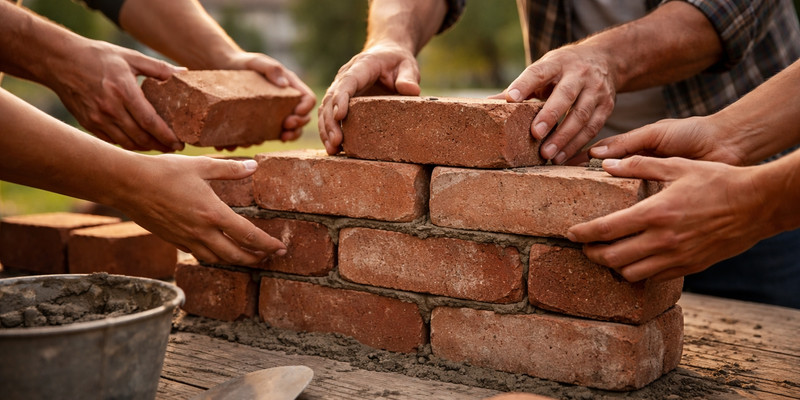
A real grassroots movement doesn’t feel like marketing. It feels like momentum—neighbors talking, supporters recruiting supporters, and a message spreading faster than a campaign can “schedule” it. The irony is that the strongest digital grassroots programs don’t happen by accident. They’re built with structure, discipline, and a clear understanding of what motivates people to take action when nobody is watching.
Digital is where most voters first meet a campaign now. But a movement isn’t built on impressions. It’s built on ownership—the sense that supporters aren’t just consuming content, they’re carrying it.
Start with a cause, not a candidate
Campaigns love to lead with biography. Grassroots supporters usually lead with belief. A movement forms when people can clearly answer a simple question: What are we trying to protect, rebuild, or stop? The stronger the cause, the less the campaign has to beg for attention.
Practically, this means your core narrative should fit into a sentence regular people would repeat in their own words. Not a slogan. A conviction. If the message requires a paragraph of explanation, it’s not built for grassroots.
A smart digital program treats every piece of content as a tool to help supporters explain the mission to someone else.
Build the “ladder,” not the feed
A movement needs a ladder of engagement—small steps that turn observers into participants. Too many campaigns treat social media like a broadcast channel: post, boost, repeat. A grassroots system is different. It moves people upward.
A simple ladder might look like this:
Watch: Short video, clip, quote, or issue post
React: Comment, like, share, vote in a poll
Join: Email signup or SMS opt-in
Act: Volunteer shift, event RSVP, peer-to-peer outreach
Invest: Small-dollar donation or monthly pledge
Lead: Local captain, group organizer, content ambassador
Each step must feel natural. If you ask for money before you’ve earned trust, you don’t build a movement—you build fatigue. If you never ask for action at all, you build an audience that disappears on Election Day.
Give supporters something to do every week
Grassroots thrives on rhythm. People don’t volunteer because they’re reminded once. They volunteer because they’re invited into a routine.
Digital programs should create weekly “marching orders” supporters can follow without needing permission:
Share a post with a personal caption
Invite three friends to a livestream
Sign up to text 50 voters
Bring one person to an event
Post a short personal story with a campaign hashtag
Host a “kitchen table” meet-up and submit photos
The key is clarity. Most supporters are willing; they’re just busy. If instructions are vague, they won’t act. If the task is specific, time-bound, and achievable, you’ll see participation become a habit.
Make it local on purpose
Movements spread nationally, but they’re felt locally. Digital grassroots works best when supporters see their own community reflected back at them.
That means building content and outreach around:
County-level issues
Local surrogates and recognizable voices
Neighborhood-specific events
Regional pride and identity
Hyper-local visuals (schools, streets, landmarks)
The campaign doesn’t need to manufacture fake “local authenticity.” It needs to empower real local people to speak. The more a supporter feels seen, the more likely they are to recruit others.
Let supporters tell the story
The most persuasive content is often created outside the campaign. A supporter speaking in plain language can outperform a polished ad because it carries trust. Grassroots digital programs should treat supporters like storytellers, not just sharers.
This means creating a structure for crowdsourced content:
A simple prompt (“Why are you in?”)
An easy submission method (form, text-in, DM rules)
Clear reuse permissions (so the campaign can repost)
A spotlight system (weekly supporter highlight)
A “starter kit” with templates, visuals, and talking points
When supporters see people like them featured, participation becomes contagious. It signals that the movement belongs to the crowd—not the consultants.
Build community spaces you control
Relying only on platforms is risky. Algorithms change. Accounts get throttled. Trends fade. A real digital grassroots program builds community spaces that outlast a single post.
Email and SMS are the foundation, but communities deepen in places like:
Private groups (where appropriate)
Volunteer portals and Discord-style hubs
Local leader calls and Zoom rooms
Recurring digital town halls
The goal isn’t “more channels.” It’s deeper connection. People stay involved when they feel known and needed.
Train, don’t just recruit
The biggest difference between an online fan base and an actual grassroots machine is training. Supporters can do more than clap—they can persuade, organize, and mobilize—but only if the campaign equips them.
Digital training can be simple:
20-minute weekly volunteer onboarding
Short video modules for texting and outreach
Message discipline sessions (“how to talk about the top 3 issues”)
Rapid response training for breaking news moments
Campaigns that train supporters build an army that multiplies impact without multiplying payroll. That’s grassroots in its purest form.
Keep the movement clean
Grassroots energy can turn chaotic fast if it isn’t guided. Digital movements must maintain standards: truthfulness, tone, and discipline. A campaign that tolerates misinformation, ugly infighting, or reckless posting will pay for it—publicly.
That doesn’t mean being sterile. It means setting expectations:
What the movement stands for
What it rejects
How supporters should respond to attacks
Where to send questions before posting rumors
A movement without guardrails eventually becomes a liability.
Momentum is built, not hoped for
A digital grassroots movement isn’t created by one viral moment. It’s built through consistent invitations to participate, a message supporters can own, and systems that make action easy.
Campaigns that understand this don’t chase attention. They create belonging—and belonging is what turns supporters into builders.