How Conservative Campaigns Can Protect Every Legal Vote and Win
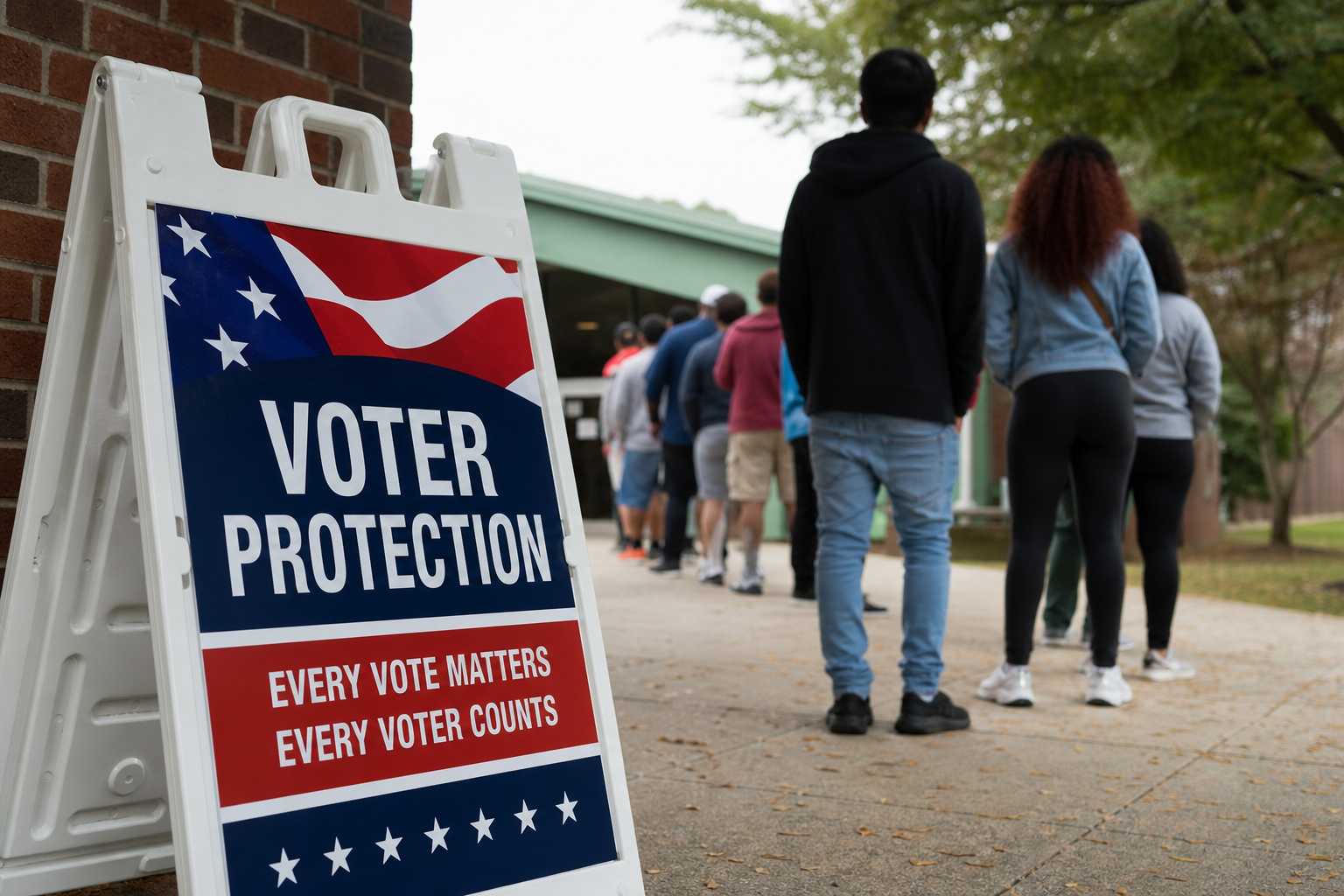
Protecting the Vote Is a Campaign Strategy, Not Just a Legal Obligation
For conservative campaigns navigating today's highly scrutinized election environment, voter protection is no longer a back-office legal function — it's a front-line strategic asset. Campaigns that invest in voter education, legal readiness, and field operations to ensure every eligible supporter can cast a ballot aren't just doing the right thing. They're building a turnout infrastructure that can be the difference between a close win and a preventable loss.
The stakes are real. Voter confusion around ID requirements, polling location changes, registration deadlines, and mail ballot procedures can depress turnout among your own base if left unaddressed. A well-executed voter protection strategy closes that gap — and signals to supporters that the campaign takes their participation seriously.
Understanding the Landscape: What Voter Protection Actually Covers
Voter protection strategy encompasses several interconnected pillars that campaigns must build out well before Election Day:
- Voter education: Ensuring supporters know their rights, their polling locations, registration deadlines, and valid ID requirements in their state.
- Legal readiness: Deploying trained poll watchers and having legal counsel on standby to address challenges in real time.
- Field operations: Establishing hotlines, volunteer networks, and ride-to-polls programs that remove logistical barriers for supporters.
- Data monitoring: Tracking voter roll changes, purge notices, and absentee ballot rejection rates in targeted precincts to identify problems early.
Each state operates under its own election laws, which means cookie-cutter approaches fall short. Campaigns need a state-specific playbook built on verified knowledge of local statutes — not assumptions.
Digital Tools That Strengthen Voter Protection Operations
Modern voter protection isn't clipboard-and-phone-tree work alone. Digital campaign infrastructure now plays a central role in reaching supporters with accurate, timely information about how to vote successfully.
SMS and Email Voter Reminders
Automated text and email sequences timed to registration deadlines, early voting windows, and Election Day are among the most cost-effective tools available. Campaigns using voter file data can segment supporters by county or precinct and deliver location-specific instructions — polling hours, address, ID requirements — directly to their phones. Platforms like Hustle, Strive, and Tatango [VERIFY current availability and campaign compliance features] offer SMS broadcast capabilities that campaigns can deploy at scale.
Chatbots for Real-Time Voter Guidance
As covered in previous campaign strategy briefings, chatbots deployed on campaign websites and Facebook Messenger can answer voter questions around the clock. A well-scripted voter protection bot can direct supporters to their correct polling location, explain state ID laws in plain language, and escalate urgent issues to a live campaign staffer or legal contact. The key is accuracy — every response must be verified against current state law before deployment, and bots must be updated immediately if laws or procedures change.
Targeted Digital Ads for Voter Education
Campaigns can run geo-targeted social and search ads designed to reach registered supporters in specific precincts with key voting information. This isn't persuasion advertising — it's operational outreach. Ads promoting early voting hours, polling location reminders, or ballot request deadlines serve a protective function for your turnout model. Platforms like Meta and Google allow campaign targeting by zip code, which makes precinct-level voter education scalable and measurable.
Building Your Legal and Field Infrastructure
No digital tool replaces boots on the ground and legal firepower on Election Day. The Republican National Committee and state Republican parties often coordinate statewide voter protection programs that local and federal campaigns can plug into [VERIFY current cycle program availability]. Campaigns should also consider the following:
- Train poll watchers in advance. Each state has specific laws governing who can serve as a poll watcher and what they can observe or challenge. Training volunteers on proper conduct ensures your legal presence at the polls is effective — not disqualified for procedural errors.
- Establish a voter protection hotline. A dedicated phone number staffed by trained volunteers or legal staff on Election Day gives voters a real-time resource if they encounter problems at the polls — long lines, equipment failures, provisional ballot questions, or ID disputes.
- Partner with legal organizations. Conservative legal organizations such as the Public Interest Legal Foundation have established track records in election integrity litigation and can be valuable partners for campaigns facing targeted legal challenges [VERIFY current partnership availability and scope].
- Monitor precinct-level data in real time. Field directors should track turnout by precinct against the campaign's voter model throughout Election Day. Underperformance in key areas can signal problems — equipment issues, long lines, or confusion — that field teams can respond to quickly.
The Trust Dividend: Why Transparency Builds Voter Confidence
Voter protection messaging also serves an organic campaign communications function. When your campaign openly communicates that it is actively working to make sure every eligible supporter's vote is counted — and backs that up with resources, hotlines, and legal readiness — it builds the kind of trust that drives late-stage turnout.
Supporters who feel their campaign has their back on voting logistics are more likely to follow through, volunteer, and donate. There is a direct line between a campaign's voter protection posture and its grassroots engagement health.
Conversely, campaigns that go dark on voter education — assuming supporters will figure it out — leave points on the board. In competitive races where margins are measured in hundreds or thousands of votes, those are points campaigns cannot afford to give away.
The Strategic Bottom Line
Voter suppression prevention strategy is really just disciplined voter empowerment — ensuring your supporters have every piece of information and every resource they need to cast a legal ballot successfully. For conservative campaigns, this is both a values statement and a tactical necessity. It reflects a commitment to constitutional participation while protecting the campaign's own investment in voter outreach, field organizing, and digital engagement.
Build the infrastructure early, deploy digital tools intelligently, and staff Election Day with trained legal and field personnel. The campaigns that treat voter protection as a core operational function — not an afterthought — are the ones positioned to turn out their full coalition when it counts.
[VERIFY] — Confirm current cycle RNC voter protection program details, platform compliance features for SMS tools, and Public Interest Legal Foundation partnership scope before publishing.