How Political Campaigns Are Building Digital Grassroots Movements
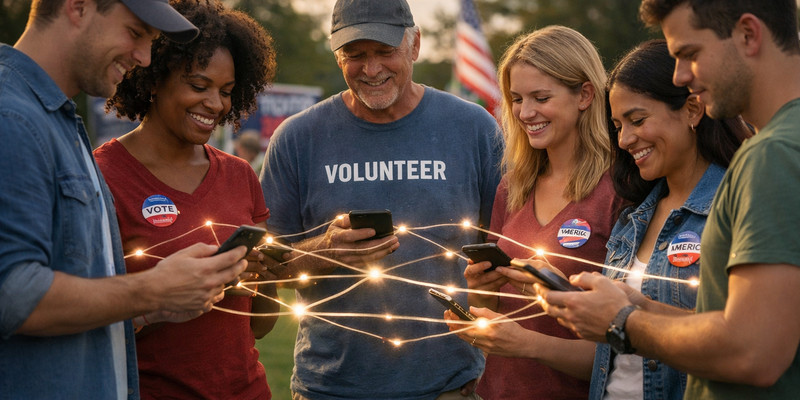
Digital tools are transforming grassroots organizing, allowing campaigns to mobilize supporters, coordinate volunteers, and amplify messaging at unprecedented scale.
Grassroots organizing has always been central to successful political campaigns. Volunteers knocking on doors, making phone calls, and organizing local events have historically formed the backbone of political movements across the United States.
What has changed in recent years is how those grassroots networks are built and mobilized.
Digital technology has transformed the mechanics of grassroots engagement. Campaigns are no longer limited to physical organizing structures or local volunteer meetings. Today, digital platforms allow campaigns to identify supporters, coordinate volunteers, and activate grassroots networks across entire states—or even nationwide—in a matter of hours.
This evolution has given rise to a new form of grassroots organizing: the digital grassroots movement.
From Local Meetings to Online Communities
Traditional grassroots organizing relied heavily on in-person meetings, local leadership structures, and community networks. While these elements remain important, digital platforms have expanded the ways campaigns can connect supporters.
Private online groups, messaging platforms, and supporter communities now function as digital organizing hubs. Campaigns can share updates, distribute talking points, recruit volunteers, and coordinate activities with thousands of supporters simultaneously.
These digital communities allow campaigns to maintain ongoing engagement between election cycles and provide supporters with a direct line of communication to campaign leadership.
Instead of waiting for scheduled meetings, supporters can receive updates and participate in campaign activities in real time.
Turning Supporters into Amplifiers
One of the most powerful aspects of digital grassroots organizing is its ability to transform supporters into message amplifiers.
In traditional campaigns, communication flowed largely from the campaign to the voter. Digital grassroots strategies allow that flow to move in multiple directions.
Supporters can share campaign messages, distribute videos, promote events, and respond to political conversations within their own networks. Because these messages come from trusted personal contacts rather than official campaign accounts, they often carry greater credibility.
This dynamic dramatically expands a campaign’s reach without requiring additional media spending.
When grassroots supporters actively participate in message distribution, campaigns gain access to organic networks that traditional advertising cannot easily reach.
Digital Tools Power Modern Organizing
A variety of digital tools now support grassroots organizing efforts.
Text messaging platforms allow campaigns to send targeted updates and calls to action directly to supporters’ phones. Volunteer management software helps campaigns coordinate canvassing shifts and local events. Social media platforms enable rapid message distribution and peer-to-peer engagement.
These tools allow campaigns to scale grassroots operations far beyond what was possible in previous election cycles.
Instead of relying solely on local organizers to recruit volunteers, digital outreach can identify and mobilize supporters who may not have previously participated in political campaigns.
This expansion broadens the base of grassroots activism and brings new voices into the political process.
The Role of Digital Storytelling
Successful digital grassroots movements rely heavily on storytelling.
Supporters are more likely to engage with campaigns that present clear narratives about why their involvement matters. Personal stories from volunteers, community leaders, and voters can inspire others to participate and strengthen the emotional connection between supporters and a campaign.
Video content, social media posts, and livestream events often serve as the vehicles for these stories.
By highlighting the experiences of real people rather than relying solely on campaign messaging, digital grassroots efforts create a sense of shared purpose and community.
For many supporters, participating in these digital conversations becomes an entry point into deeper political involvement.
Linking Digital and Field Operations
While digital grassroots organizing expands the reach of campaigns, its greatest strength emerges when it connects with traditional field operations.
Digital tools can identify potential volunteers and direct them toward specific campaign activities such as canvassing, phone banking, or event organization. Online engagement often becomes the first step in a supporter’s journey toward active participation.
This integration allows campaigns to convert digital enthusiasm into real-world political activity.
Volunteers recruited online can be mobilized quickly when campaigns need additional support in key districts or during critical moments in the election cycle.
In this way, digital grassroots organizing strengthens rather than replaces traditional campaign operations.
A Strategic Advantage for Campaigns
For conservative campaigns in particular, digital grassroots organizing offers an opportunity to bypass traditional media filters and connect directly with voters.
Supporter networks allow campaigns to distribute messaging organically and build communities around shared political values. These networks also provide valuable feedback, helping campaigns understand which issues resonate most strongly with their base.
The result is a more responsive and adaptable campaign structure.
Campaigns that invest in digital grassroots infrastructure are better positioned to mobilize supporters quickly and maintain engagement throughout the election cycle.
The Future of Grassroots Politics
Grassroots politics will always rely on people—neighbors talking to neighbors, volunteers advocating for causes they believe in, and communities organizing around shared priorities.
What digital technology has changed is the speed and scale at which those relationships can develop.
Digital grassroots movements allow campaigns to build communities that extend far beyond geographic boundaries. Supporters can coordinate, communicate, and participate in campaign efforts regardless of location.
As digital communication continues to shape political engagement, campaigns that successfully combine grassroots energy with modern organizing tools will hold a powerful advantage.
The future of grassroots politics will not replace traditional organizing. Instead, it will amplify it—connecting people, ideas, and communities in ways that were once impossible.