Precision Politics: Mastering Micro-Targeting for Conservative Wins
Beyond the Broadcast: Why Micro-Targeting Is a Conservative Imperative
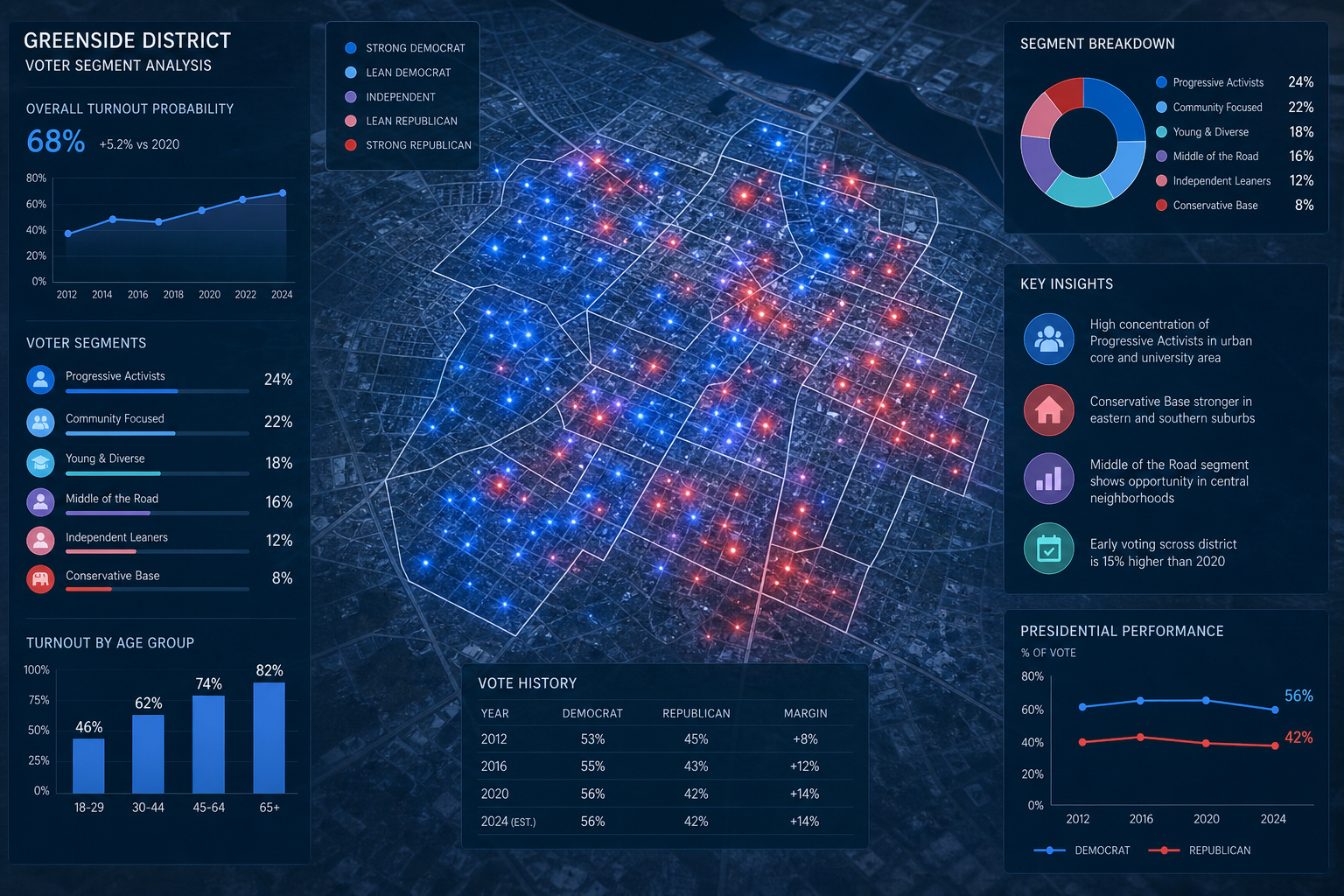
In modern politics, elections are won on the margins. The era of blanketing the airwaves with a single, uniform message is over. Victory now belongs to the campaigns that can speak directly to the specific concerns of distinct voter groups. This is the essence of micro-targeting: the data-driven practice of identifying narrow segments of the electorate and tailoring outreach to their unique interests, values, and behaviors. For conservative campaigns, mastering this discipline is not merely an advantage—it is a strategic necessity for optimizing resources, bypassing hostile media filters, and building winning coalitions in a fragmented cultural landscape.
While the left often benefits from a sympathetic amplification of its message by mainstream media and cultural institutions, conservatives must build their own channels. Micro-targeting allows campaigns to do just that, delivering a controlled, persuasive message directly to the voters who need to hear it most, on the platforms where they are most receptive.
The Data That Fuels Precision Campaigns
Effective micro-targeting is built on a foundation of high-quality data. A campaign’s ability to understand the electorate depends on its capacity to ethically collect, integrate, and analyze information from multiple sources. This data ecosystem can be broken down into three primary categories:
- First-Party Data: This is the information your campaign collects directly and is your most valuable asset. It includes voter registration files, volunteer lists, email subscribers, event attendees, and donation histories. This data provides a clear picture of your most engaged supporters and is the bedrock of any get-out-the-vote (GOTV) universe.
- Third-Party Data: This is commercially available data from trusted vendors like L2, DataTrust, or i360. It enriches your first-party data with thousands of demographic, lifestyle, and consumer data points. This information helps paint a more complete picture of a voter, including their likely interests (e.g., hunting, church attendance, small business ownership) and consumer habits, which can be used to build predictive models of their political leanings.
- Digital Engagement Data: This is real-time feedback from the field. It includes who is opening your emails, clicking on your ads, watching your videos, and interacting with your social media content. This data reveals which messages are resonating with which audiences, allowing for dynamic adjustments to your strategy.
A commitment to data privacy is paramount. Voters are increasingly aware of how their information is used, and conservative principles demand respect for individual privacy. Campaigns must be transparent about their data practices to build and maintain the trust that is essential for long-term political success.
Executing the Strategy: Platforms and Tactics
With a robust data file, campaigns can execute targeted outreach across a variety of digital platforms. The key is to match the message, audience, and platform for maximum impact.
Digital Advertising
Digital ads allow for unparalleled precision. Platforms like Meta (Facebook and Instagram) remain powerful for their ability to target users based on interests, behaviors, and custom audiences created from your campaign’s email lists. Programmatic advertising extends this reach across the web, placing your ads on news sites, blogs, and apps frequented by your target voter segments. Increasingly, Connected TV (CTV) offers the impact of television with the targeting precision of digital, allowing campaigns to serve ads directly to specific households through streaming services like Hulu, Roku, and Sling TV.
Email and SMS
Your owned audiences—email and text message subscribers—are your most reliable communication channel. Effective micro-targeting here means segmenting your lists. A high-dollar donor should not receive the same fundraising plea as a first-time volunteer. A suburban parent who signed up after an event on education policy should receive different content than a rural voter concerned with the Second Amendment. Tailoring content based on a subscriber's known interests and past engagement dramatically increases open rates, click-throughs, and conversions.
Addressable Geofencing
This tactic allows campaigns to serve digital ads to mobile devices within a defined physical location. It can be used to target attendees at a competitor’s rally, a state fair, a church conference, or a local Chamber of Commerce meeting. By identifying voters based on their real-world activities, campaigns can deliver highly relevant messages at a moment of peak interest.
Building Your Voter Universes and Crafting the Message
The strategic core of micro-targeting is the creation of distinct “universes,” or lists of voters, for specific campaign objectives.
- The Persuasion Universe: These are the undecided, low-information, or swing voters who are critical to winning a tight race. Data modeling is used to identify these individuals based on voting history, demographic data, and consumer profiles. Messaging to this group must be carefully crafted to address their specific concerns—such as economic anxiety, public safety, or education—without being overtly partisan.
- The Mobilization (GOTV) Universe: This universe consists of your known supporters. The goal here is not persuasion but activation. Communication should be focused on reinforcing their decision, providing them with important voting information (polling locations, deadlines), and creating a sense of urgency to ensure they turn out on Election Day.
- The Fundraising Universe: This segment includes past donors and individuals identified by data models as having a high propensity to contribute. Messaging to this group should highlight the stakes of the election, demonstrate the impact of their financial support, and make a clear, direct ask.
Once these universes are defined, every piece of creative—every ad, email, and text—must be tailored accordingly. A message that resonates with a staunch conservative in your GOTV universe may alienate a moderate voter in your persuasion universe. Success depends on message discipline and a relentless focus on testing and optimization to see what works.
The Future Is Precision
As the American electorate continues to diversify and media consumption becomes more individualized, the one-size-fits-all campaign model is obsolete. Micro-targeting is no longer an exotic tactic but a fundamental component of modern political machinery. For conservatives, it offers a powerful toolkit to overcome institutional disadvantages, use campaign resources with maximum efficiency, and build the durable, issue-based coalitions needed to win. The campaigns that embrace this data-driven approach will be the ones who not only win elections but also build lasting relationships with the voters they seek to serve.