The Modern Ground Game: Fusing Digital Strategy with Field Organizing
From Silos to Synergy: Rethinking Campaign Structure
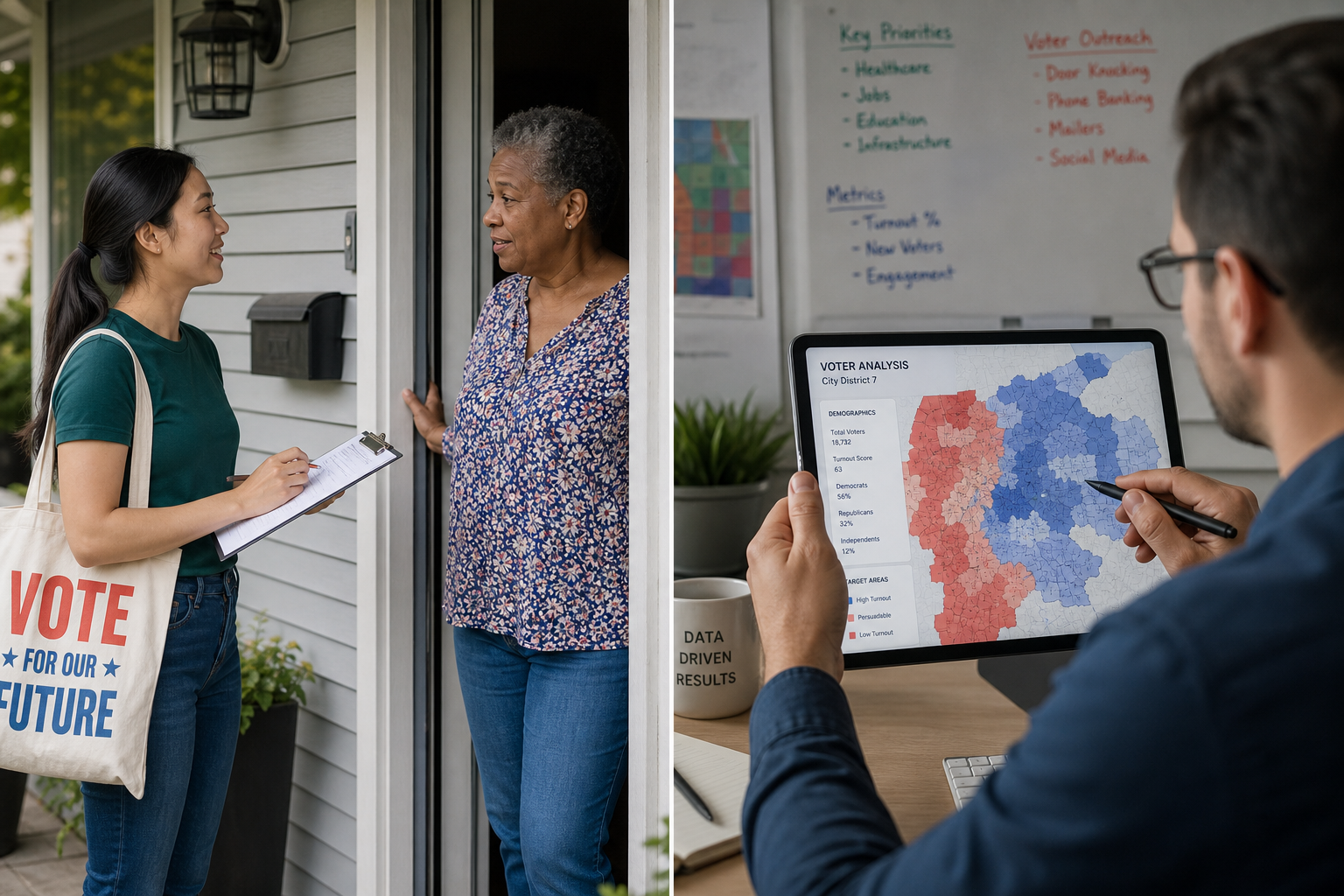
For decades, campaign departments have operated in predictable silos. The field team gets its walk lists and phone numbers, while the digital team runs its ads and email programs. They might share high-level goals, but their daily operations, data, and feedback loops rarely intersect in a meaningful way. This model is no longer sufficient. In an environment where voters move seamlessly between a social media feed and a conversation on their front porch, conservative campaigns must evolve beyond this fragmented approach. Integrating digital strategy with field organizing is no longer an innovative tactic; it is a foundational requirement for victory.
The modern political battleground demands a unified strategy where every voter contact, whether online or in person, informs the next. By fusing the reach of digital with the personal touch of grassroots organizing, campaigns can maximize resources, sharpen messaging, and build a more resilient connection with the electorate. This isn't about replacing door-knockers with digital ads; it’s about making every door knock smarter and every ad more impactful.
The Core Principle: A Unified Voter Profile
The central pillar of an integrated campaign is a single, comprehensive view of each voter. Every interaction—a door knock, an email open, a social media comment, an event RSVP, a donation—must be captured and stored in a central database or CRM (Customer Relationship Management) platform. Tools like NationBuilder, Campaign Sidekick, or other specialized political CRMs are designed to serve as this technological backbone. When your data is unified, your strategy can be too.
Instead of a field list that only knows a voter's party registration and a digital list that only knows their email engagement, an integrated profile reveals the whole picture. You can see the voter who signed an online petition about tax cuts, then later told a canvasser that the economy was their top issue. This holistic view is the raw material for a truly sophisticated and responsive campaign.
How Digital Powers a Smarter Field Operation
Integrating digital tools isn't about diminishing the role of field staff; it's about amplifying their effectiveness. By leveraging online data, campaigns can transform their ground game from a brute-force effort into a precision instrument.
- Data-Informed Walk Lists: Instead of canvassing entire precincts, use digital engagement data to prioritize. Voters who have clicked on ads about a specific issue, watched a policy video to completion, or signed a digital petition are prime targets for in-person follow-up. This allows volunteers to focus their limited time on the most persuadable or supportive households.
- Priming the Ground: Before a canvassing weekend, run geo-targeted digital ads in those specific neighborhoods. A simple video message from the candidate or an ad highlighting a key policy position can warm up the area. When a volunteer arrives at the door, the voter is more likely to recognize the candidate's name and be receptive to the message.
- Volunteer Recruitment and Mobilization: Use targeted email and social media campaigns to recruit volunteers for specific field activities. Linking directly to scheduling tools and providing digital training materials streamlines the onboarding process, getting more people out into the community faster.
How Field Intelligence Fuels a Sharper Digital Campaign
The flow of information must be a two-way street. The qualitative data gathered from face-to-face conversations is immensely valuable for refining and targeting your digital outreach. This data feedback loop is where integrated campaigns gain their most significant competitive advantage.
- Refining Ad Audiences: Information collected at the door—such as a voter’s top issue, their level of support, or their main objection to your candidate—is gold. When canvassers diligently enter this data into a mobile app connected to the campaign CRM, it can be used to create powerful new custom audiences. A list of undecided voters identified by canvassers as being concerned about border security becomes a high-value target for a specific set of digital ads.
- Personalized Digital Follow-Up: The connection doesn't end when the volunteer leaves the porch. Use peer-to-peer texting or segmented emails to follow up within 24-48 hours. A simple message like, “Thanks for speaking with our volunteer yesterday about the economy. Here’s a link to the candidate’s plan to cut inflation,” reinforces the conversation and demonstrates that the campaign is listening.
- Authentic Content Creation: Use the common questions, concerns, and stories heard on the trail to create authentic digital content. If canvassers report that voters are consistently asking about a specific local issue, the candidate can record a short video addressing it directly. This shows voters that their concerns are driving the campaign’s message.
The Conservative Advantage: Efficiency and Authenticity
For conservative campaigns, which often face a hostile media environment and must make every dollar count, this integrated model is particularly powerful. It offers a way to bypass traditional media gatekeepers and build a direct, resilient relationship with voters based on shared values and genuine concerns.
By using real-world feedback to inform digital messaging, campaigns can ensure their communications are relevant and resonant. This approach maximizes the impact of both volunteer time and advertising budgets, creating a highly efficient operation. It also builds trust by showing that the campaign is responsive and grounded in the community it seeks to represent. In a political climate hungry for authenticity, an integrated ground game proves that your campaign doesn't just talk—it listens.