The New Digital Battlefield: A Conservative Guide to AI-Generated Video Ads
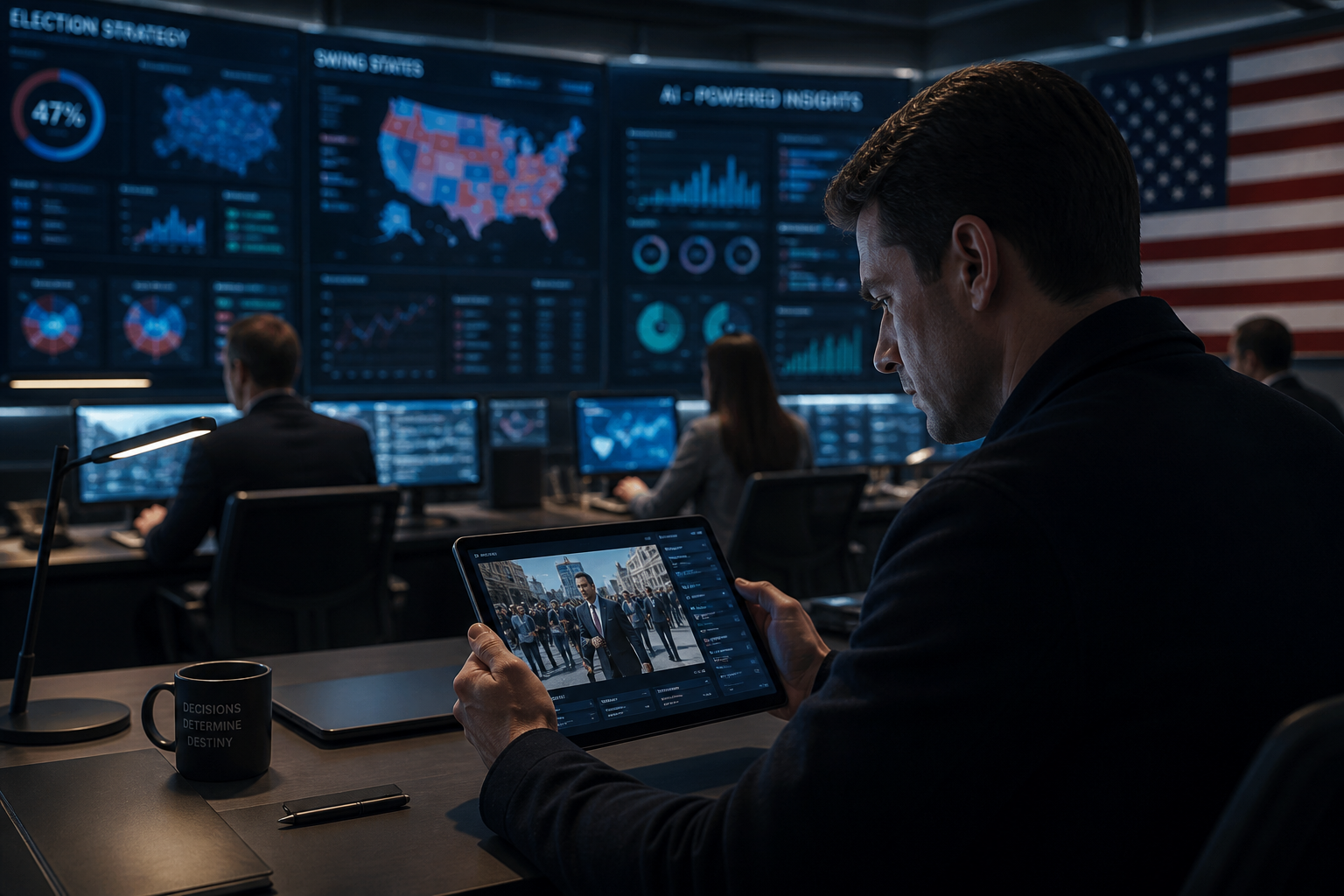
The Rise of AI-Generated Video in Political Marketing
The emergence of powerful AI video generation tools like OpenAI’s Sora, Runway, and Pika Labs marks a pivotal moment for digital political strategy. What was recently science fiction—creating high-quality video footage from a simple text prompt—is now a tangible asset. For political campaigns operating under tight deadlines and even tighter budgets, this technology presents a disruptive opportunity. While the mainstream media focuses on the dystopian risks of deepfakes, savvy conservative campaigns should be analyzing the strategic advantages: unprecedented speed, scalability, and cost-efficiency in producing compelling visual content. The question is no longer if AI will change campaign advertising, but how campaigns can harness its power responsibly to win.
The Strategic Advantage: Speed, Scale, and Cost Reduction
Traditional video ad production is a resource-intensive process involving film crews, location scouting, actors, and lengthy post-production schedules. A single 30-second spot can cost tens of thousands of dollars and take weeks to complete. In the fast-paced environment of a campaign, this model is often too slow and too expensive to keep up with the daily news cycle.
AI video generation upends this equation. Campaigns can now:
- Execute Rapid Response: When an opponent launches an attack ad at 9 a.m., your team can have a professionally polished video rebuttal ready for digital deployment by lunchtime. AI can generate relevant B-roll, data visualizations, and animated text in minutes, allowing your message to penetrate the narrative before it sets.
- A/B Test at Scale: Instead of producing one or two versions of an ad, AI allows campaigns to generate dozens of visual variations for the same script. This enables rigorous testing to discover which imagery resonates most effectively with specific voter demographics—suburban mothers, small business owners, or rural voters—maximizing ad spend and persuasive impact.
- Reduce Production Costs: According to advertising analytics firms, political ad spending is projected to reach record-breaking levels in the upcoming election cycle. AI-generated video can significantly lower the barrier to entry for producing high-volume, high-quality content for social media, pre-roll ads, and other digital placements, freeing up campaign funds for media buys and get-out-the-vote efforts.
Practical Use Cases for Conservative Campaigns
Beyond simple cost savings, AI video offers a suite of tools to enhance messaging and voter engagement. Rather than replacing authentic footage of candidates, the technology is best used to supplement and amplify the campaign’s core message.
Key Applications:
- Policy Explainer Videos: Break down complex topics like tax reform, regulatory policy, or national security into simple, digestible animated videos. Visualizing data and abstract concepts makes conservative principles more accessible to a broader audience.
- Social Media Content: Generate an endless stream of short, eye-catching clips for platforms like Instagram Reels, YouTube Shorts, and TikTok. These can be used to highlight key statistics, promote events, or illustrate a candidate's vision for the future.
- Historical or Conceptual B-Roll: Create evocative footage to support a narrative without relying on stock video. For example, an ad about restoring American manufacturing could feature AI-generated scenes of bustling factories from the 1950s or futuristic images of innovative new technologies.
An Ethical Framework: Winning with Integrity
For conservative campaigns, the use of AI must be grounded in our core values of integrity and transparency. The power of this technology comes with a profound responsibility to use it ethically and avoid the pitfalls that erode voter trust. The goal is to persuade, not to deceive.
A non-negotiable framework for using AI video should include:
- Zero Tolerance for Deepfakes: Never use AI to create realistic, fabricated footage of a candidate, opponent, or any real person. This tactic is not only unethical but also a strategic liability that will backfire and destroy your campaign’s credibility.
- Commitment to Transparency: Lead the way by adopting a clear standard for disclosure. Consider a subtle, unobtrusive watermark or a disclaimer indicating that some visuals are AI-generated. In an environment of skepticism, proactive transparency builds trust and insulates your campaign from accusations of deception.
- Human-in-the-Loop Oversight: AI is a tool, not a replacement for human judgment. Every piece of AI-generated content must be rigorously reviewed by campaign staff to ensure it is factually accurate, on-brand, and free of the bizarre visual artifacts common in early-stage AI.
Moving Forward: Integrating AI Into Your Campaign
The era of AI-driven political communication is here. Ignoring it is not an option. Conservative campaigns that develop the expertise to leverage these tools effectively and ethically will gain a significant competitive edge. By automating the creation of supplemental visuals, campaigns can focus their human resources on what truly matters: crafting a winning message, connecting with voters on the ground, and building authentic relationships.
Start small by experimenting with AI for internal presentations or organic social media posts. As your team gains proficiency, you can integrate it more fully into your digital advertising strategy. In the modern political battlefield, victory will belong to the campaigns that innovate with discipline and lead with integrity.