The New Digital Endorsement: A Conservative Guide to Influencer Marketing
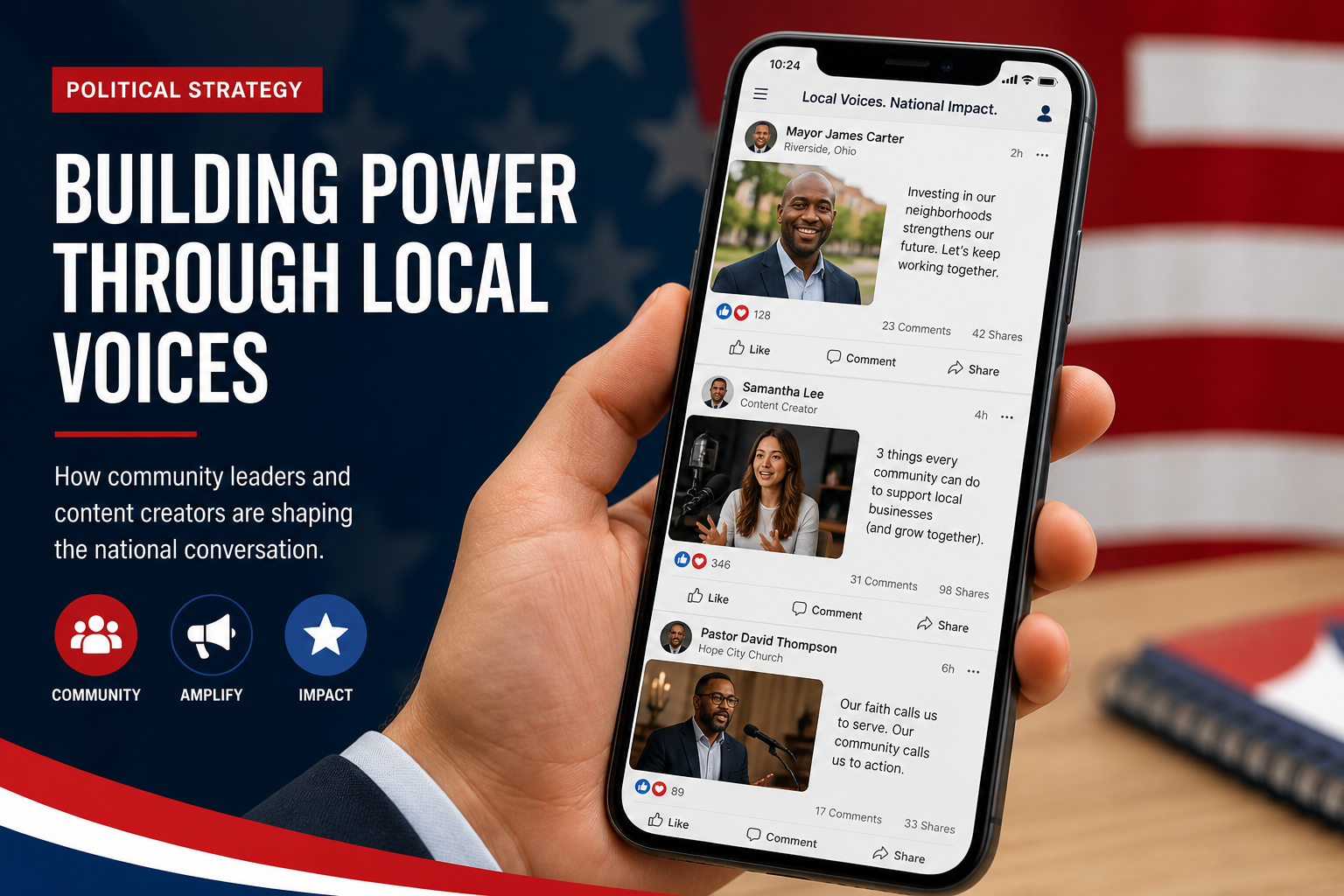
The Rise of the Political Influencer
For years, influencer marketing has been the domain of consumer brands selling lifestyle products. But in the modern political arena, it has emerged as a critical tool for campaigns seeking to build authentic connections with voters. Influencer marketing moves beyond traditional endorsements from party officials, offering a direct channel to engaged communities through trusted voices. With the global influencer marketing industry valued at over $21 billion in 2023, according to Grand View Research, its power to shape opinion is undeniable. For conservative campaigns navigating a biased media landscape, this strategy is not a novelty; it’s a necessity for controlling the narrative and mobilizing support.
Why Influencers Are Crucial for Conservative Campaigns
While legacy media outlets often frame conservative messages with a hostile slant, influencers provide a direct-to-voter channel built on pre-existing trust. This allows campaigns to bypass the noise and speak directly to constituencies in an environment where the messenger is as important as the message.
Bypassing the Media Filter
The most significant advantage of influencer marketing is the ability to circumvent traditional media gatekeepers. When a local business owner, a Second Amendment advocate on YouTube, or a parenting blogger on Instagram shares a campaign’s message, it reaches their audience without distortion. This unfiltered communication is vital for ensuring that policy positions and candidate values are understood as intended, rather than as they are interpreted by a partisan press.
Reaching Untapped Demographics
Conservative campaigns must continuously expand their reach beyond the traditional base. Influencers are key to engaging demographics that are often difficult to reach through conventional advertising. This includes Gen Z voters who consume political content on TikTok and Instagram, suburban mothers who follow community-focused Facebook groups, and niche hobbyists who trust subject-matter experts on YouTube. By partnering with creators in these spaces, campaigns can introduce their message to new audiences in a culturally relevant context.
The Power of Authentic Endorsements
Data from consumer trust studies consistently shows that people trust recommendations from peers and trusted figures far more than they trust branded advertisements. An endorsement from a creator who shares an audience’s values feels less like a political ad and more like a recommendation from a friend. This authenticity can drive genuine enthusiasm, persuading undecided voters and mobilizing supporters in a way that polished, high-production commercials often cannot.
Building Your Influencer Strategy: A Tactical Guide
A successful influencer program requires more than just identifying popular accounts. It demands careful vetting, clear goal-setting, and a commitment to authentic collaboration.
Macro- vs. Micro-Influencers
Campaigns must decide whether to pursue reach or resonance. Macro-influencers (those with hundreds of thousands or millions of followers) offer broad exposure but can be costly and may have lower engagement rates. Micro-influencers (typically with 1,000 to 100,000 followers) offer a more targeted, highly engaged audience at a lower cost. For many state and local races, a team of hyper-local micro-influencers can be far more effective at driving grassroots action than a single national figure.
Vetting for Alignment and Brand Safety
In politics, brand safety is paramount. Before engaging any influencer, campaigns must conduct a thorough review of their past content, public statements, and audience demographics. A partnership with an influencer whose past behavior or unrelated views conflict with the campaign’s values can create a significant and unnecessary crisis. The goal is to find partners whose personal brand and audience align organically with the candidate’s platform.
Navigating Legal and Ethical Waters
Transparency is non-negotiable. Any paid partnership must be clearly disclosed to the audience in accordance with Federal Trade Commission (FTC) guidelines, typically using hashtags like #ad or #sponsored. Furthermore, campaigns must work with legal counsel to ensure compliance with Federal Election Commission (FEC) rules regarding compensation, which may be treated as a coordinated communication or an in-kind contribution. Honesty builds trust with voters and protects the campaign from legal challenges.
Measuring Political ROI
The success of an influencer campaign isn't measured in sales, but in political action. Key Performance Indicators (KPIs) should be tied to specific campaign goals:
- Website Traffic: Use unique UTM links to track how many users an influencer sends to donation pages, volunteer sign-ups, or policy explainers.
- Audience Engagement: Monitor likes, shares, and comments. Positive sentiment and high share rates indicate the message is resonating.
- List Growth: Track how many new email or SMS subscribers are generated through influencer-specific landing pages.
- Event Turnout: Use custom RSVP links to measure an influencer’s ability to drive attendance at rallies, town halls, or virtual events.
The Future of Digital Campaigning is Personal
As voters grow increasingly skeptical of both institutional media and slick political advertising, the demand for authentic communication will only increase. Influencer marketing provides a powerful framework for meeting that demand. By building partnerships with trusted voices who already have the ear of key communities, conservative campaigns can effectively control their own narrative, foster genuine connections, and build the grassroots momentum needed to win.