The Tap-to-Vote Effect: How Social Media Polls Quietly Shape Modern Campaigns
The Instant Opinion Window
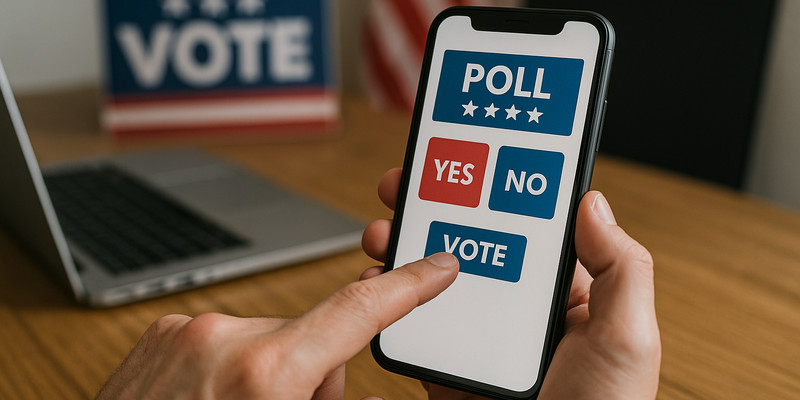
There was a time when campaigns waited days or even weeks to understand voters' reactions to events. Not anymore. Today, a simple tap on a screen can reveal what thousands of voters think in minutes. Social media polls have turned platforms into instant feedback machines, offering campaigns a rapid, unfiltered look at public opinion. While informal and not scientific, they’re far from meaningless. They show energy, emotion, and direction—three forces that shape how modern campaigns move.
Capturing the Mood
A social media poll rarely tells a campaign everything, but it tells them something valuable: how people feel right now. These short, immediate reactions reveal emotional currents that traditional methods might miss.
A surge of support on a poll could signal a message that’s landing well. A divided response might indicate confusion or mixed understanding. A lopsided reaction can highlight an issue voters have already decided on.
Campaigns that read these signals understand the mood of their audience in real time—without waiting for formal polling cycles.
A Low-Barrier Voice
People engage with social media polls because they’re easy. No phone calls, no emails, no long surveys—just a tap. That accessibility gives a voice to individuals who might not participate in traditional polling.
It democratizes engagement. Younger voters, busy parents, shift workers, and people who simply dislike long surveys feel more comfortable weighing in when the barrier is so low. Campaigns benefit from this by hearing from voters who often remain silent in formal data collection.
Spotting Trends Early
Issues rarely explode onto the political stage overnight. They build quietly—post by post, comment by comment, conversation by conversation. Social media polls pick up on that early movement.
If a poll about education consistently draws strong reactions, the campaign knows the topic has depth and energy. If questions about public safety spark intense debate, it’s a sign the issue is ripe for messaging. If economic polls draw widespread concern, the campaign can prepare responses before the topic dominates the news cycle.
These early signals become strategic tools.
Engaging the Base
Supporters love being asked what they think. It makes them feel heard, respected, and included. Social media polls create that sense of involvement. They show voters their opinion matters—not just during elections, but throughout the campaign.
That connection deepens loyalty. When individuals feel part of the process, they’re more likely to donate, volunteer, attend events, or share campaign content. Polls aren’t just informational tools—they’re engagement engines.
Shaping Message Tone
Campaigns often use social media polls to test messaging styles. How do voters respond to a softer tone versus a more assertive one? Which slogan feels stronger? Which priority resonates most?
Poll results hint at what language voters gravitate toward. This helps campaigns refine their voice until it matches the emotional landscape of the electorate. For conservative efforts, where clarity and conviction matter, tone-testing becomes a powerful way to stay disciplined yet responsive.
Creating Conversation
Polls spark discussion. When voters share their choices, defend their viewpoints, or debate among themselves, the campaign benefits from increased visibility and organic reach.
This conversation isn’t chaotic—it’s strategic. It amplifies awareness, increases engagement, and spreads key issues throughout the digital community. Polls don’t just measure opinions; they multiply them.
And often, the comment sections become a window into what voters care about most.
A True Modern Tool
Social media polls aren’t meant to replace scientific surveys, nor do they claim to. Their power comes from their immediacy, accessibility, and influence on voter engagement. They help campaigns read emotional movement, spark participation, and understand shifting priorities in the digital age.
For conservatives, who prioritize listening to real people rather than political elites, these polls become a modern tool that reinforces traditional values of connection and grassroots involvement.
They show that even in a noisy digital world, the simplest question can open a meaningful conversation—and that conversation can shape the direction of a campaign.