The White Label Advantage: How to Scale Your Campaign Without Bloating Your Budget
The Modern Campaign’s Dilemma: Doing More with Less
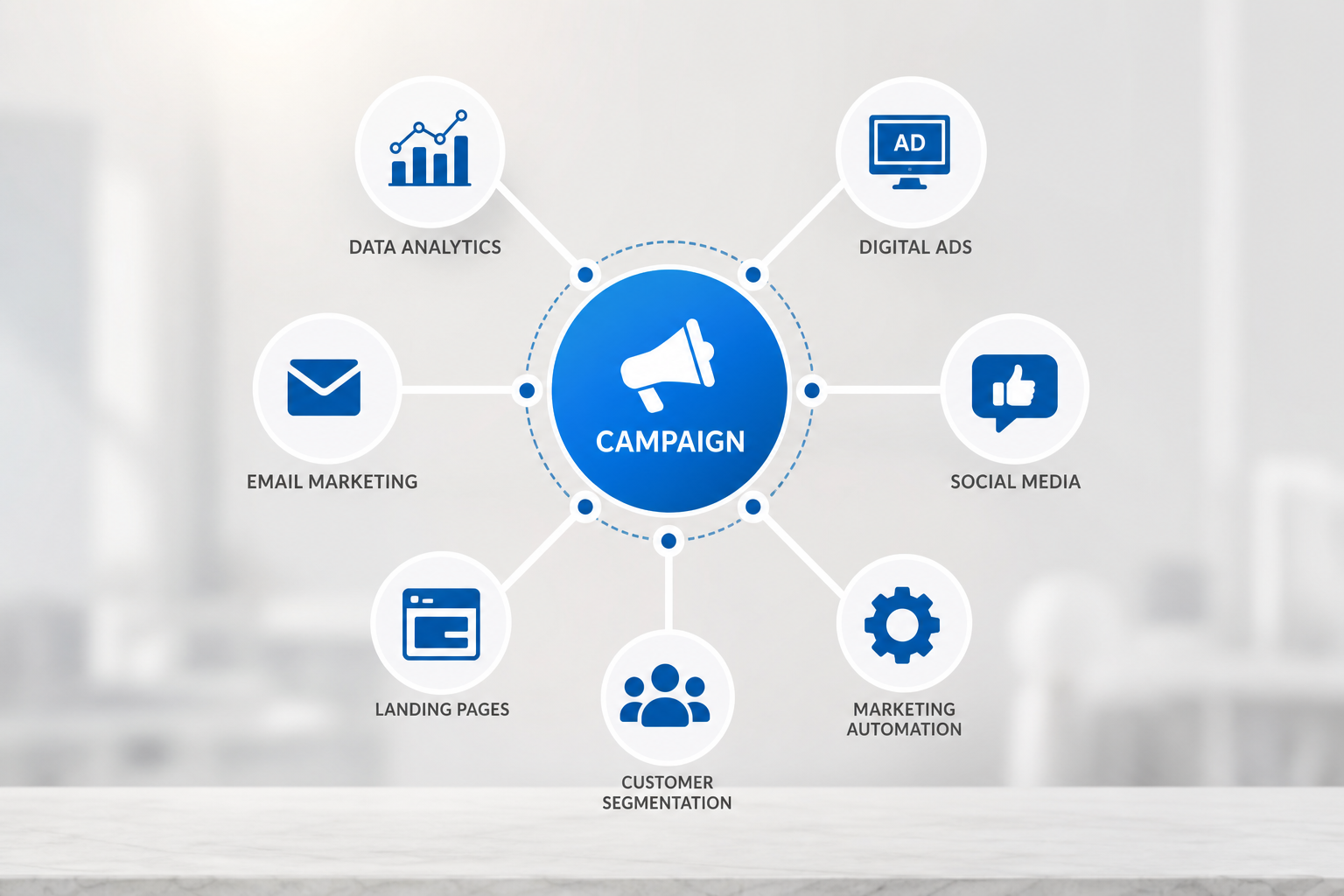
Every campaign manager understands the pressure: the demand for a sophisticated digital presence is non-negotiable, yet budgets are finite. Running effective digital advertising, data analytics, peer-to-peer texting, and fundraising email programs requires specialized talent that is expensive to hire and difficult to manage in the boom-and-bust cycle of an election. For conservative campaigns and PACs committed to fiscal responsibility, building a large in-house team for every function is often inefficient and unsustainable.
This operational challenge has a strategic solution gaining traction in the political world: leveraging white label services and agency partnerships. These models allow campaigns to access top-tier expertise on demand, enabling them to scale operations rapidly while maintaining a lean core team. By understanding these approaches, conservative campaigns can deploy resources more effectively, ensuring every dollar is maximized for voter contact and persuasion.
Defining the Models: White Label vs. Strategic Partnership
While often used interchangeably, these two models serve distinct strategic purposes. Choosing the right one depends on a campaign’s needs for branding, collaboration, and control.
White Label Services
A white label arrangement is one where a specialized agency provides a product or service that the campaign or its primary consultant then rebrands as their own. The third-party provider is invisible to the end user—in this case, voters or donors. For example, a state legislative campaign might hire a white label firm to design and deploy its digital ads. The ads run under the campaign’s name, the reports are branded with the campaign’s logo, and the specialized firm remains behind the scenes. This model is ideal for executing specific, recurring tasks where the campaign wants to maintain a single, unified brand voice.
Strategic Partnerships
A strategic partnership is a more transparent, collaborative relationship. Here, a campaign openly joins forces with another firm, and both brands are visible. A national PAC, for instance, might partner with a well-known conservative data analytics firm to produce a groundbreaking voter trend report. Both organizations’ names appear on the final product, lending their respective credibility to the project. This approach is best for large-scale initiatives where the partner’s brand and reputation add value and authority to the campaign’s efforts.
The Advantages for Conservative Campaigns
Adopting these models offers significant benefits that align directly with conservative principles of efficiency, message discipline, and strategic resource allocation.
- Immediate Access to Expertise: Instead of a lengthy and costly hiring process, campaigns can instantly tap into specialists in complex fields like Connected TV (CTV) ad buying, advanced data modeling, or SMS compliance. This agility is critical in a fast-paced political environment.
- Cost-Efficiency and Scalability: These models convert fixed costs (salaries, benefits, software licenses) into variable operational expenses. A campaign can scale up its ad buys in the final weeks before an election or ramp down services during slower periods, paying only for what it needs. This reflects a commitment to responsible stewardship of donor funds.
- Enhanced Focus on Core Mission: By outsourcing technical execution, campaign leadership can concentrate on what they do best: developing strategy, refining messaging, and connecting with voters. A trusted partner handles the operational details, freeing up the candidate and senior staff for high-value activities.
- Maintaining Message Control: A common concern with outsourcing is the potential for brand dilution. However, a professional white label partner’s job is to execute the campaign’s vision, not impose their own. With clear guidelines and approval processes, campaigns can ensure all communications—from ad copy to email text—perfectly reflect the candidate’s authentic voice and values.
Vetting a Partner: A Checklist for Ensuring Alignment
The success of a white label or partnership model hinges on selecting the right partner. A mismatched provider can create more problems than it solves, from off-message content to critical data security failures. Campaigns must conduct thorough due diligence before signing any contract.
Key Vetting Criteria:
- Proven Political Acumen: A generic digital marketing agency rarely understands the unique demands of a political campaign, including FEC compliance, rapid response needs, and the nuances of voter persuasion. Prioritize firms with a documented history of working successfully with conservative and Republican clients.
- Request Case Studies and References: Ask for specific examples of past work for campaigns of a similar size and scope. A reputable firm will be able to demonstrate its impact with clear data. Insist on speaking with previous campaign clients to understand their experience with communication, responsiveness, and results.
- Verify Data Security Protocols: Campaigns are custodians of sensitive voter and donor information. Inquire directly about how a potential partner stores, handles, and protects this data. Ensure their practices meet or exceed industry standards to protect the campaign from liability and maintain voter trust.
- Ensure Ideological and Cultural Fit: Your partners become an extension of your team. It is essential that their core values and professional culture align with your campaign's principles. This alignment ensures a smoother working relationship and a deeper understanding of your strategic objectives.
Building a Leaner, More Agile Campaign
In an increasingly complex and expensive media landscape, the campaigns that succeed are not always the ones with the largest staffs, but those that are the most strategic and agile. White label services and partnerships are not about outsourcing responsibility; they are tools for intelligently allocating resources to achieve maximum impact.
By embracing these models, conservative campaigns can field a more professional, data-driven, and efficient operation. It is a modern approach to campaign management that honors the timeless conservative principle of achieving powerful results without wasteful spending.