Why Authentic Messaging Builds Stronger Voter Trust
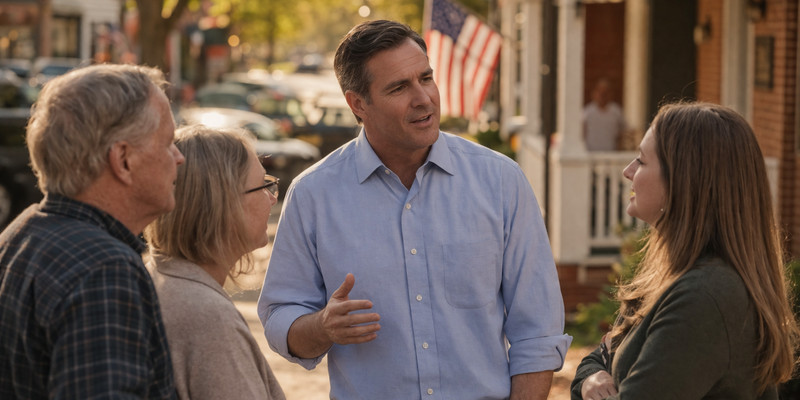
Voters have become increasingly skeptical of political messaging—and for good reason. Years of polished talking points, scripted ads, and generic outreach have created a trust gap that campaigns can no longer ignore. In today’s environment, authenticity is not a stylistic choice. It is a strategic necessity.
Campaigns that communicate with clarity, honesty, and consistency are outperforming those that rely on overly manufactured narratives.
Trust Is the New Battleground
Modern campaigns are not just competing for attention—they are competing for credibility. Voters are exposed to constant messaging across digital platforms, making it easier than ever to detect insincerity.
Authentic messaging cuts through that noise. When candidates speak plainly about issues, acknowledge challenges, and communicate without excessive filtering, they create a sense of trust that resonates more deeply than traditional advertising.
Trust is no longer assumed. It must be earned.
Speaking Like a Real Person
One of the most effective ways to build authenticity is simplicity. Campaigns that rely on overly complex language or policy-heavy jargon risk alienating voters. In contrast, clear, direct communication feels more relatable.
Candidates who speak as individuals—not as institutions—connect more effectively. Whether through video, social media, or public appearances, tone matters as much as content.
Voters are not just evaluating positions. They are evaluating people.
Consistency Builds Credibility
Authenticity is not a one-time effort—it requires consistency across every touchpoint. Messaging in digital ads, speeches, email outreach, and social media must align.
When voters encounter conflicting tones or shifting narratives, credibility erodes. Consistent messaging, on the other hand, reinforces identity and builds familiarity.
Campaigns that maintain a steady voice appear more grounded and reliable.
Transparency Strengthens Engagement
Authentic campaigns are willing to be transparent. This does not mean sharing every internal detail, but it does mean communicating openly about priorities, trade-offs, and decisions.
Voters appreciate honesty—even when they may not agree on every issue. Transparency signals respect for the audience and builds a foundation for long-term engagement.
In an era of skepticism, openness stands out.
Digital Platforms Reward Authenticity
Social media algorithms increasingly prioritize content that generates genuine engagement—comments, shares, and meaningful interactions. Authentic messaging naturally performs better in this environment.
Overly polished content may look professional, but it often lacks the relatability needed to drive interaction. Authentic content invites response, conversation, and community-building.
Engagement is driven by connection, not perfection.
Avoiding the Pitfalls of Over-Production
High production value is not inherently negative, but it can become a liability when it overshadows substance. Campaigns that focus too heavily on aesthetics risk creating distance between the candidate and the voter.
Simple, direct content—often captured in real environments—feels more immediate and trustworthy. It reflects real experiences rather than staged scenarios.
Authenticity reduces the gap between message and reality.
A Long-Term Advantage
Campaigns that prioritize authenticity are not just improving short-term performance—they are building long-term credibility. Voters remember how candidates communicate, not just what they say.
Trust compounds over time. A campaign that earns it early can maintain momentum throughout the cycle and beyond.
In contrast, campaigns that rely on scripted messaging may struggle to adapt when conditions change.
The Strategic Reality
Authenticity is no longer optional in political marketing. It is the foundation of effective communication in a digital-first environment.
Campaigns that embrace straightforward messaging, maintain consistency, and respect voter intelligence will stand out in a crowded field. Those that rely on outdated, overly polished approaches will continue to lose ground.
In modern campaigns, the strongest message isn’t the most refined.
It’s the most real.