Why Gaming Is the Next Frontier for Conservative Campaigns
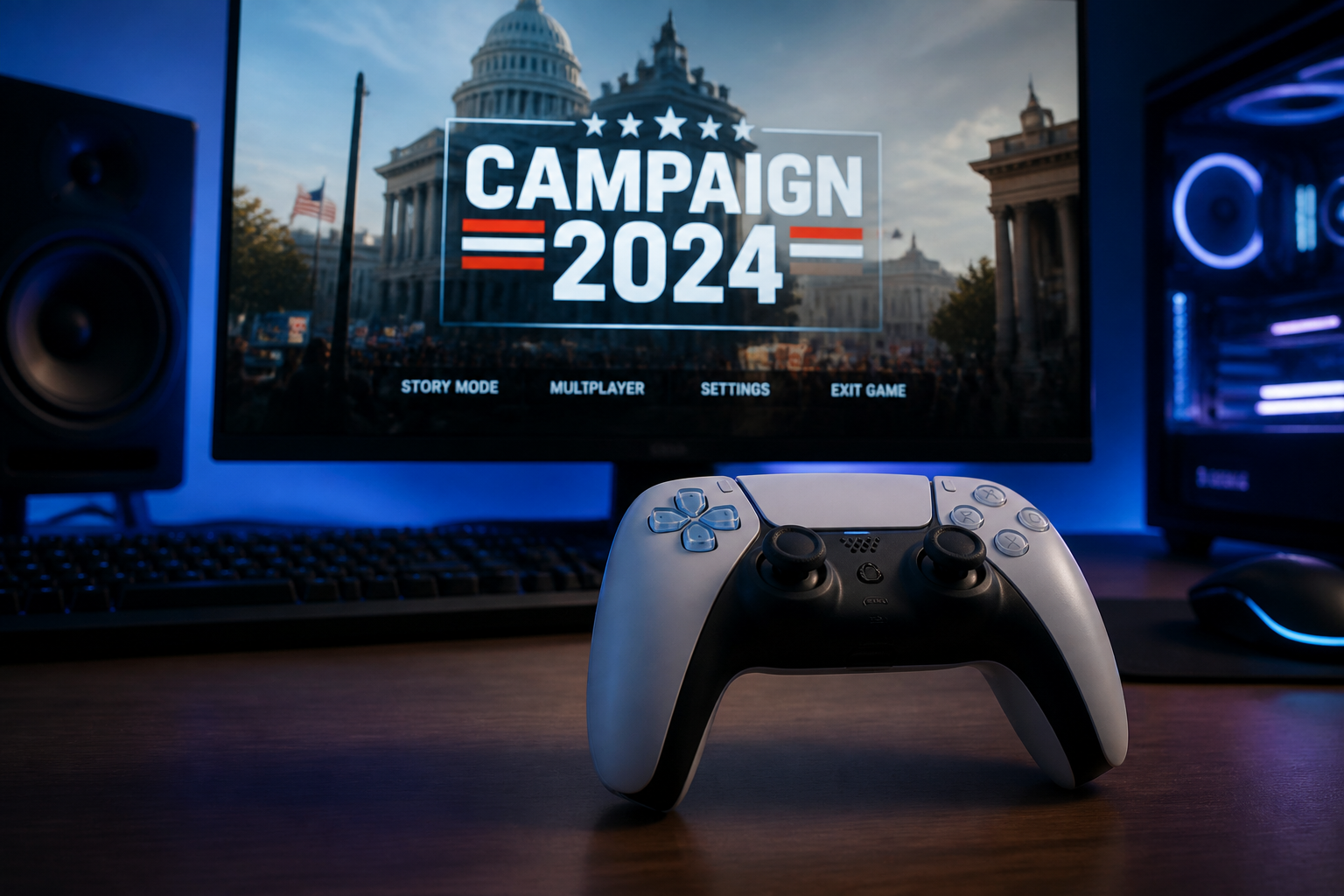
The New Digital Battlefield: Reaching Voters Where They Are
While most campaign ad budgets remain focused on linear television and legacy social media platforms, a colossal and largely untapped audience gathers elsewhere: in the world of video games and esports. The global gaming market is not a niche hobby; it’s a dominant cultural and economic force, with over three billion active players worldwide and revenue projected to surpass $200 billion annually, according to industry analyst Newzoo. For political strategists, particularly on the right, overlooking this arena is no longer a strategic option—it’s a critical vulnerability.
Democrats have already made tentative inroads. Rep. Alexandria Ocasio-Cortez’s 2020 Among Us stream on Twitch drew over 400,000 concurrent viewers, and the Biden-Harris campaign launched a virtual island in Animal Crossing: New Horizons. While these efforts can be debated on their direct impact, they prove the concept: politicians can meet voters in digital spaces with authenticity and generate significant earned media. The question for conservatives is not whether to engage, but how to do so effectively and in a way that aligns with our principles.
Debunking the Myth: Who Is the Modern Gamer?
The stereotype of the teenage gamer in a basement is decades out of date. Data from the Entertainment Software Association (ESA) paints a much different picture of the American player. The average gamer is now in their early 30s, and nearly as many women play games as men. These are voters with jobs, families, and mortgages—a core constituency that campaigns strive to reach. They are increasingly cord-cutters, immune to traditional television ads and disengaged from platforms like Facebook, making them difficult to contact through conventional means.
By ignoring gaming, campaigns are ceding access to a massive and diverse audience that includes key demographics: suburban parents, military personnel, and young men who are increasingly skeptical of mainstream media narratives. This is a population that values competition, problem-solving, and merit—themes that resonate deeply with conservative messaging.
Strategies for In-Game Political Engagement
Engaging the gaming audience requires a more nuanced approach than simply running a pre-roll ad. Authenticity is paramount, as gamers are notoriously resistant to corporate or political messaging that feels forced. Here are three primary avenues for campaigns to explore:
1. Programmatic In-Game Advertising
This is the most scalable and direct method. Platforms now allow for the programmatic placement of display ads on virtual objects within games, such as billboards in sports stadiums, posters in urban environments, or banners in racing games. These ads are non-intrusive and can be targeted geographically, ensuring that a state-level campaign is only reaching voters in relevant districts. It serves as the digital equivalent of out-of-home advertising, building brand awareness in an environment where viewers are highly engaged.
2. Influencer and Streamer Partnerships
Platforms like Twitch and YouTube Gaming are the modern-day talk radio for younger generations. Top streamers command loyal audiences numbering in the tens of thousands who tune in for hours at a time. Partnering with a center-right or libertarian-leaning creator for a sponsored stream or a candid discussion can provide a powerful, authentic endorsement. The key is finding influencers whose brand aligns with the campaign’s message. This approach leverages the trust the creator has built with their audience, allowing a campaign to bypass media filters and speak directly to a receptive community.
3. Branded Experiences and Integrations
This is the most resource-intensive but potentially highest-impact strategy. As seen with the Animal Crossing example, campaigns can create their own content within popular games. A conservative campaign could create a custom map in a game like Fortnite Creative that highlights themes of economic freedom, or sponsor an esports tournament. These activations create memorable, interactive experiences that go beyond passive ad consumption and foster a sense of community around a campaign.
The Conservative Advantage in the Gaming Arena
The culture of many gaming communities is inherently aligned with conservative values, even if the players themselves don't identify as political. A focus on individual skill, free markets (in the form of in-game economies), and skepticism of centralized authority provides fertile ground for messages of personal responsibility, limited government, and economic liberty. Conservative campaigns can speak to this audience in their own language, contrasting our vision with the top-down, collectivist agenda of the left.
Furthermore, this direct-to-voter channel allows campaigns to control their message completely. In an era of rampant media bias and big tech censorship, establishing a foothold in a decentralized ecosystem like the gaming world is a crucial step toward building a resilient and independent communications strategy.
Moving Forward: A Tactical Approach
Integrating gaming into a campaign’s digital strategy should be done thoughtfully. Start with a small, targeted buy of programmatic in-game ads to measure performance. Research and identify authentic creators who align with your campaign’s values for potential partnerships. Most importantly, task your digital team with understanding the culture, not just the advertising platforms. In the battle for voters’ attention, the campaigns that are willing to innovate and meet people where they are will be the ones that win. The gaming world isn't just a pastime; it's the next great political arena.