Why Trust Has Become the Most Valuable Currency in Political Marketing
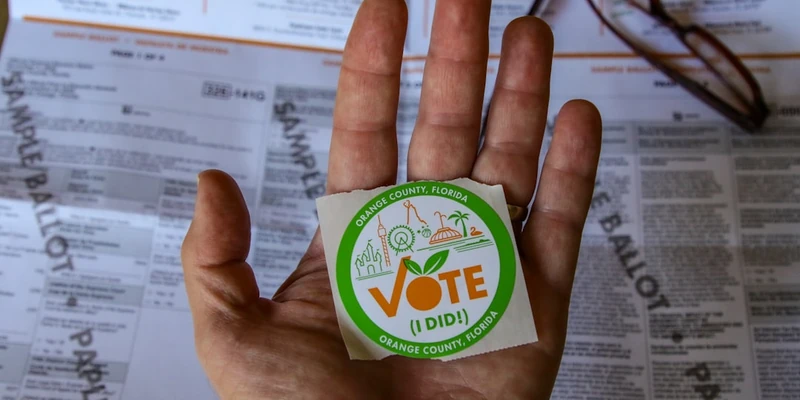
Political campaigns are operating in an era defined less by enthusiasm and more by suspicion. Voters are not disengaged, but they are cautious — wary of exaggerated claims, selective facts, and messaging that feels engineered rather than earned. In this environment, trust has emerged as the most valuable and fragile asset a campaign can possess. Without it, even the most well-funded strategy struggles to persuade.
Trust is no longer a byproduct of exposure. It is the foundation upon which every effective political message must be built.
The Trust Deficit Is Real
Public confidence in institutions has been eroding for years, and campaigns are no exception. According to Gallup, trust in government remains near historic lows, with barely one in five Americans expressing confidence in federal leadership. This skepticism bleeds into how voters receive campaign messaging, especially when it feels disconnected from reality or overly polished.
For political marketers, this means assumptions of credibility no longer hold. Every claim, statistic, and promise is filtered through voter doubt. Campaigns must actively earn trust rather than expect it.
Consistency Beats Cleverness
In a digital ecosystem that rewards novelty, campaigns face pressure to chase viral moments. But clever messaging that contradicts prior statements or shifts tone too frequently erodes credibility. Voters are quick to spot inconsistency, and once trust is broken, it is rarely repaired.
Successful campaigns prioritize message consistency over short-term engagement spikes. Repetition of core themes — economic stability, public safety, local opportunity — reinforces seriousness and reliability. Conservative campaigns often benefit from this approach, as it aligns with voter expectations of discipline and restraint.
The Messenger Shapes the Message
Who delivers a message increasingly matters as much as the message itself. Voters place greater trust in peers and local figures than in institutions or national spokespeople. As a result, campaigns are elevating messengers who reflect the communities they serve — small business owners, parents, veterans, and educators.
This shift decentralizes persuasion and mirrors traditional grassroots politics. Rather than relying on centralized authority, campaigns empower trusted community voices to translate policy into everyday language. This approach builds credibility while reducing reliance on top-down messaging.
Transparency Is No Longer Optional
Opacity fuels skepticism. Campaigns that fail to explain their positions, funding priorities, or strategic decisions invite suspicion — even from sympathetic voters. Transparency, once viewed as a risk, has become a competitive advantage.
Clear explanations do not require over-disclosure. They require honesty about priorities and trade-offs. Voters may disagree with policy choices, but they respond positively to campaigns that respect their intelligence by explaining the reasoning behind decisions.
Digital Platforms Demand Authenticity
Trust-building does not stop offline. Digital platforms amplify both credibility and missteps. Messaging that feels scripted or evasive performs poorly in online spaces where voters expect directness. Campaigns that speak plainly, admit uncertainty, and avoid unnecessary spin are more likely to maintain trust across channels.
Short-form video and social media posts are most effective when they resemble real conversation rather than advertising copy. This is particularly true among younger voters, who are highly attuned to authenticity cues and quick to disengage from messaging that feels manufactured.
Trust Is a Long-Term Investment
Trust cannot be built in the final weeks of a campaign. It is accumulated through sustained consistency, respectful communication, and disciplined strategy. Campaigns that treat trust as a long-term asset — rather than a transactional tool — position themselves to weather controversy and shifting news cycles.
In a crowded political marketplace, trust is the differentiator that cannot be bought or faked. Campaigns that prioritize credibility over spectacle, transparency over theatrics, and consistency over trend-chasing build a foundation strong enough to support lasting persuasion.