Winning the Ear of the Voter: A Guide to Audio Advertising for Campaigns
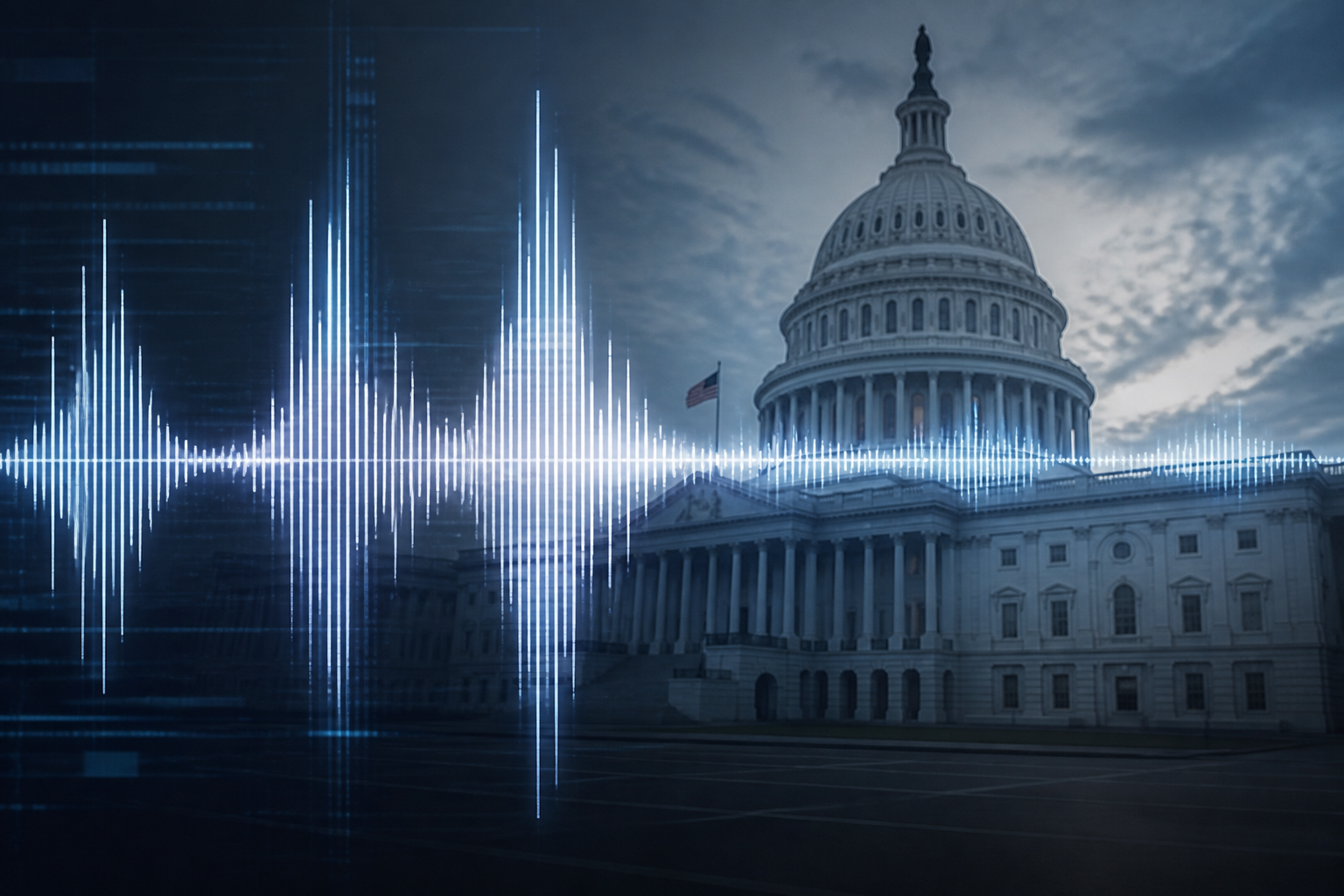
The Unseen Battleground: Why Audio Is Political Marketing's Next Frontier
In a media landscape saturated with visual noise, the most effective campaign strategists are learning to win the ear of the voter. While campaigns invest heavily in social media video and search ads, a powerful and intimate channel often remains underutilized: digital audio. With platforms like Spotify reporting over 600 million monthly active users globally as of early 2024, and podcast listenership surging, audio advertising presents a direct, personal, and highly targeted way to deliver a message. For conservative campaigns seeking to bypass traditional media gatekeepers and connect with voters during their screen-free moments, mastering this medium is no longer an option—it is a strategic imperative.
The Strategic Advantages of Audio Advertising
Digital audio offers distinct benefits that other advertising channels cannot match. It reaches voters in moments when they are highly engaged but visually occupied, such as during their commute, at the gym, or while working. This creates a unique opportunity for message absorption without the typical ad fatigue associated with display or video formats.
Key benefits include:
- Precision Targeting: Audio platforms offer sophisticated targeting capabilities. Campaigns can segment audiences by age, gender, location, and even by listening habits—such as genres of music or categories of podcasts. This allows for the delivery of tailored messages to specific voter demographics with remarkable accuracy.
- High Engagement in a Screen-Free Context: According to Edison Research, a significant portion of audio consumption happens on mobile devices and in cars. These are highly personal environments where listeners are often more receptive to content. An audio ad doesn't compete for screen space; it commands the listener’s full auditory attention.
- Cost-Effectiveness: Compared to the high costs of primetime television or competitive digital video placements, audio advertising can offer a more efficient use of a campaign's budget. The cost-per-impression is often lower, allowing for greater frequency and reach without a proportional increase in spending.
A Direct Channel for Conservative Messaging
For conservative campaigns, the ability to control the narrative is paramount. Audio advertising provides a direct line to voters, free from the interpretation or filtering of mainstream news outlets. This channel is uniquely suited for communicating core conservative principles with clarity and authenticity.
Opportunities for Campaigns:
- Message Control: Deliver your candidate's message in their own voice, or a trusted narrator's, directly into the ears of potential supporters. This unfiltered communication is crucial for building trust and ensuring your platform is understood as intended.
- Building Authenticity: The human voice is a powerful tool for connection. A well-produced, sincere audio ad can convey authenticity and conviction in a way that text-based ads cannot. It personalizes the campaign and fosters a stronger bond with the listener.
- Targeting Key Constituencies: Campaigns can use podcast targeting to reach audiences interested in specific topics like finance, faith, or small business. This allows for highly relevant messaging that speaks directly to the values and concerns of key voter segments.
Best Practices for Effective Political Audio Ads
Executing a successful audio ad strategy requires more than just recording a message. To cut through the noise and drive action, campaigns must adhere to proven best practices.
- Start with a Strong Script: You have only a few seconds to capture attention. The script must be concise, clear, and focused on a single, compelling point. Front-load the most important information and end with a clear call to action.
- Invest in Professional Production: Poor audio quality will immediately discredit your message. Use a professional microphone, a quiet recording environment, and clean editing. The sound should be crisp and clear, reflecting the professionalism of your campaign.
- Create a Memorable Call to Action (CTA): An audio CTA must be simple and easy to remember. Use a straightforward URL (e.g., “Visit SmithForSenate.com to learn more”). Repeat the URL twice to ensure it registers with the listener. Avoid complex instructions or hard-to-spell web addresses.
- Match the Tone to the Context: The tone of your ad should align with the playlist or podcast it is running on. An ad placed in a high-energy music playlist can be more upbeat, while one in a serious news podcast should adopt a more measured and authoritative tone.
- Test and Measure: Use the analytics provided by the platform to track performance. Monitor metrics like listen-through rate and click-throughs on companion banner ads. Use this data to refine your targeting, messaging, and ad creative for optimal impact.
Moving Forward: Integrating Audio into a Winning Strategy
As voters increasingly integrate streaming audio into their daily lives, political campaigns must adapt their strategies to meet them there. Audio advertising is not a niche tactic; it is a foundational component of a modern, multi-channel communication plan. By leveraging its unique strengths—precision targeting, high engagement, and direct message delivery—conservative campaigns can build stronger connections with voters, amplify their message, and gain a critical edge in a competitive political environment. The campaigns that learn to speak directly to voters, wherever they are listening, will be the ones that resonate most deeply and effectively.