Winning the Issues: A Digital Playbook for Ballot Initiative Campaigns
Beyond the Candidate: Why Ballot Initiatives Demand a Different Digital Strategy
In candidate-driven campaigns, the political brand is built around a personality, a voting record, and a vision for the future. Digital strategy amplifies that individual narrative. But ballot initiative campaigns operate on a different plane entirely. There is no candidate to rally behind, no personality to critique—only an issue, often distilled into dense, legalistic language. For conservative campaigns aiming to pass or defeat these measures, this presents a unique challenge and a significant opportunity. Success hinges on a disciplined digital strategy that pivots from promoting a person to educating and persuading voters on a principle. The core task is to transform an abstract proposition into a tangible, urgent choice with real-world consequences for voters and their communities.
Framing the Narrative: From Legal Jargon to Voter Value
The first and most critical task is message translation. Voters will not spend time deciphering convoluted ballot language. The campaign’s digital content must do the work for them, reframing the issue in simple, compelling, and value-oriented terms. A measure to limit property tax increases isn't just a fiscal policy change; it's a campaign to "Protect Your Home" or "Stop Unfair Tax Hikes."
A robust digital strategy for a ballot initiative should prioritize:
- Aggressive A/B Message Testing: Use low-cost digital ads on platforms like Facebook and Google to test different messaging frameworks. Does a message centered on economic freedom outperform one focused on family security? Data from these early tests should inform the entire campaign’s communication strategy, from ad creative to email subject lines.
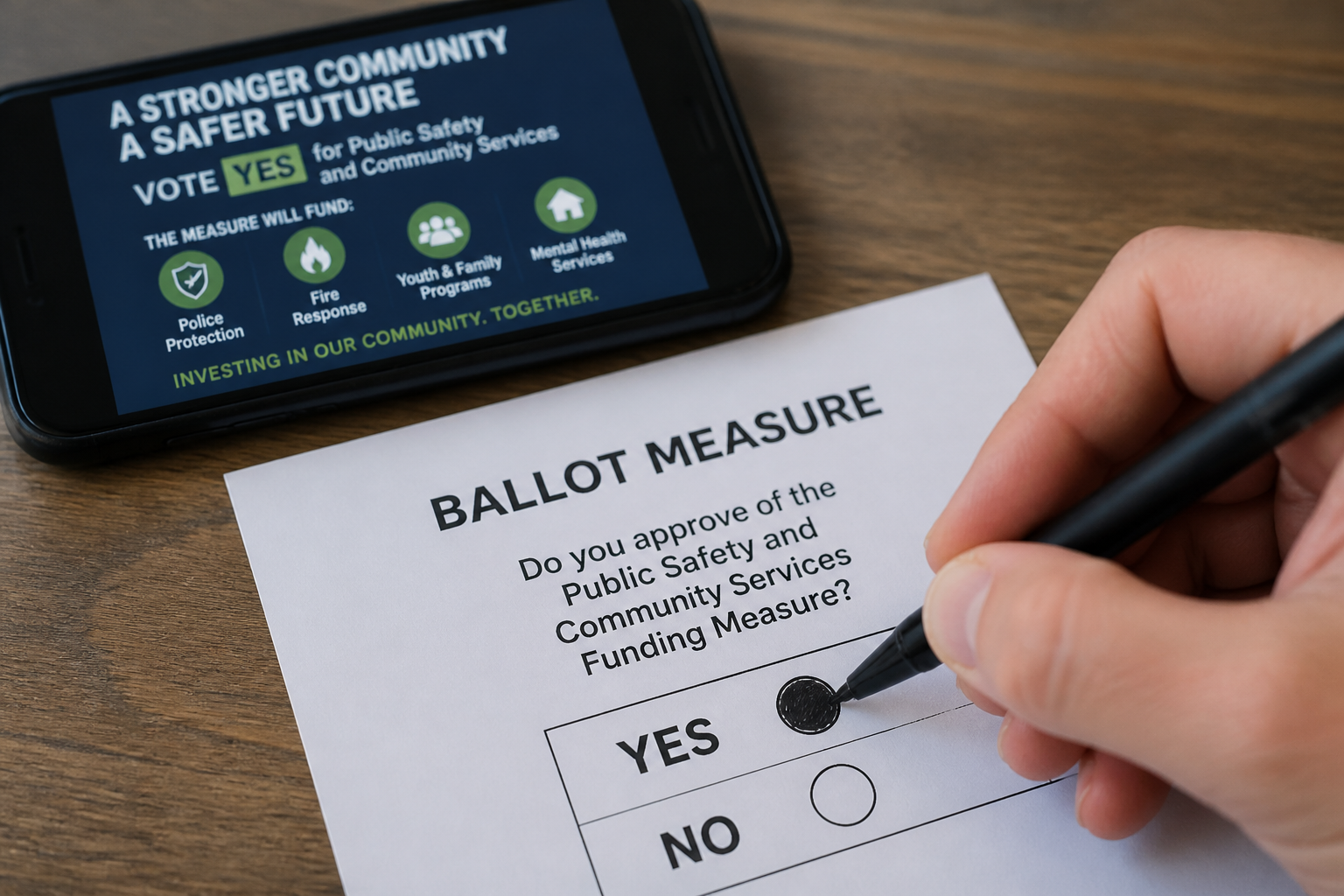
- Visual Storytelling: Since there’s no candidate to feature, content must visualize the issue's impact. This includes infographics that break down costs and benefits, short explainer videos that walk through the proposition’s effects, and testimonials from trusted community figures—small business owners, local leaders, or respected policy experts.
- Clarity Above All: The goal is to arm voters with a clear understanding and a simple directive: "Vote YES on Prop 10" or "Vote NO on Amendment 2." Every piece of content should reinforce this call to action.
Building the Digital Coalition
While candidate campaigns often start with a built-in partisan base, ballot measures require building a coalition from scratch, often across traditional party lines. Digital tools are essential for identifying, engaging, and mobilizing these diverse supporter groups. A conservative-led effort to pass a school choice initiative, for example, must reach not only fiscal conservatives but also parents in failing school districts, religious communities, and advocates for educational reform.
Effective coalition-building online involves:
- Audience Segmentation: Tailor ad creative and email outreach to speak directly to the unique motivations of each coalition partner. A message to a business owner about developing a future workforce will differ from a message to a parent about their child's immediate educational needs.
- Leveraging Social Proof: Create and promote a running list of endorsements from a wide array of groups and leaders. Highlighting a diverse coalition on the campaign website and in social media content demonstrates broad-based support and lends credibility to the cause.
- Empowering Advocates: Develop a digital toolkit with shareable graphics, sample posts, and key talking points. Make it easy for coalition partners and grassroots supporters to become effective messengers for the campaign within their own networks.
The Persuasion and GOTV Funnel for Issues
The voter engagement funnel for a ballot measure has distinct phases. With total political ad spending for the 2024 cycle projected to exceed $10 billion, according to AdImpact, cutting through the noise requires a precise, phased approach.
Phase 1: Education and Awareness. The top of the funnel is about defining the issue on your terms. Assume voters know nothing. Digital ads and content must answer the basic question: "What is Proposition X and why does it matter to me?"
Phase 2: Persuasion and Identification. Once voters are aware, the focus shifts to convincing them your position is the correct one. This mid-funnel stage is where testimonials, data-driven arguments, and emotional storytelling are most effective. It is also the critical time to identify supporters through petitions, surveys, and email sign-ups.
Phase 3: Get Out The Vote (GOTV). The final phase is purely instructional. Digital GOTV efforts for ballot measures must be relentlessly clear. Remind supporters not only *to* vote but *how* to vote on the specific measure. Use video and graphics to show them exactly where the initiative appears on the ballot and which box to check. This last-mile communication can be the difference between a narrow victory and a painful loss.
Conclusion: Discipline and Data Drive Victory
Winning a ballot initiative campaign in the modern media environment is a testament to strategic discipline. Without the focal point of a candidate, the campaign's success rests entirely on its ability to frame the debate, build a durable coalition, and execute a data-informed digital strategy. By translating complexity into clarity and mobilizing constituencies around a shared principle, conservative campaigns can leverage ballot measures to enact meaningful policy and advance their values from the ground up.