Your Campaign's Most Valuable Asset: A Guide to Political Email List Building and Hygiene
Beyond the Vanity Metric: Quality Over Quantity
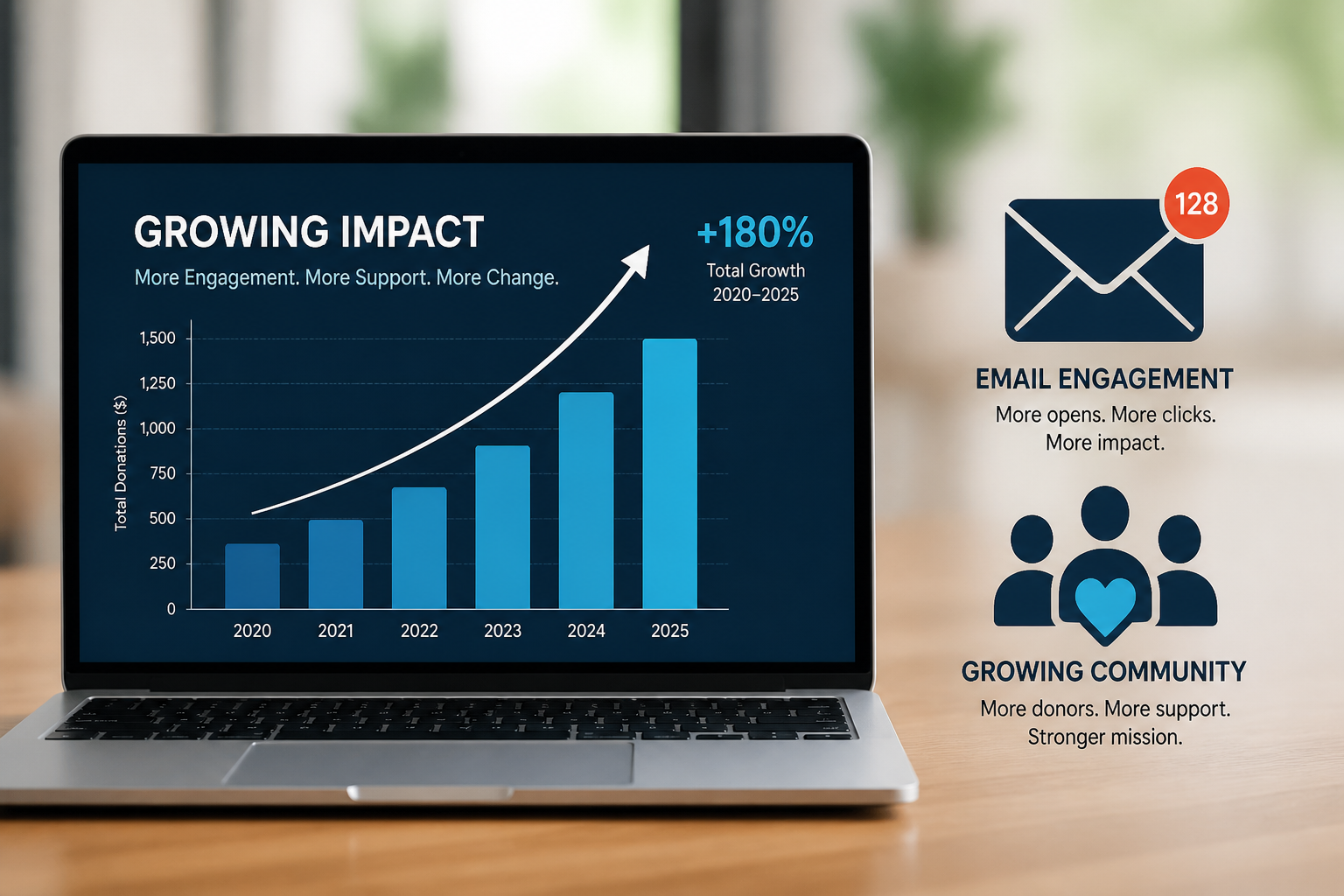
In political circles, the size of a campaign’s email list is often touted as a key measure of its digital strength. While a large number is impressive on a press release, savvy campaign managers understand it’s a vanity metric. The true value of your email list lies not in its raw size, but in its quality, engagement, and deliverability. A smaller, highly engaged list of 50,000 active supporters will consistently outperform a bloated, unmanaged list of 500,000 for both fundraising and mobilization. In an era of Big Tech censorship and volatile social media algorithms, your email list is the one digital channel you truly own—a direct, unfiltered line to your supporters. It’s an asset that demands strategic cultivation.
The financial stakes are high. According to marketing industry reports, email marketing consistently delivers one of the highest returns on investment, with some benchmarks showing returns of over $36 for every $1 spent. For a political campaign, that translates directly into donations, volunteer sign-ups, and voter turnout. Building and maintaining this asset should be a top priority for any serious digital operation.
The Foundation: Strategic List Growth
Growing your list requires more than a simple “Sign Up for Updates” box on your website. Effective acquisition is about offering value and capturing supporter intent. Campaigns should move beyond passive collection and implement proactive growth strategies.
Key Growth Tactics:
- Issue-Specific Lead Magnets: Offer supporters something tangible in exchange for their email address. This could be a downloadable PDF detailing the candidate’s policy on border security, a guide to grassroots organizing, or exclusive access to a digital town hall. This tactic not only grows your list but also pre-segments subscribers by their policy interests.
- Petitions and Surveys: These are powerful tools for capturing engaged supporters. A voter who signs a petition to “Stop the Gas Tax” is a highly qualified lead for future fundraising appeals tied to economic issues. Surveys can likewise gather valuable data while adding names to your list.
- Targeted Digital Advertising: Use social media platforms and other digital ad networks to run lead generation campaigns. Target users based on interests, demographics, and lookalike audiences modeled on your existing donor files. Drive traffic to a high-quality landing page with a clear value proposition and a simple sign-up form.
- Website Opt-Ins: Implement well-timed pop-ups, such as exit-intent modals that appear when a user is about to leave your site. These can capture a final opportunity to convert a visitor into a subscriber. Ensure they are mobile-friendly and not overly intrusive to the user experience.
The Unsung Hero: Proactive List Hygiene
A list full of invalid addresses and unengaged subscribers is not just ineffective; it's actively harmful. Internet Service Providers (ISPs) like Google and Yahoo track how recipients interact with your emails. High bounce rates and low open rates signal that you are sending unwanted content, increasing the likelihood your emails will be routed directly to the spam folder. Poor deliverability kills your program before your message is even seen.
Best Practices for List Maintenance:
- Remove Hard Bounces Immediately: A hard bounce indicates a permanent delivery failure, usually due to an invalid email address. These must be scrubbed from your list instantly to protect your sender reputation.
- Monitor Soft Bounces: A soft bounce is a temporary issue, such as a full inbox. However, if an address soft-bounces several times consecutively, it should be treated as a hard bounce and removed.
- Implement a Sunset Policy: Identify subscribers who have not opened or clicked an email in a set period (e.g., 90-120 days). Target them with a dedicated re-engagement or “win-back” campaign. If they still don't engage, move them to a suppression list. This keeps your active list clean, improves engagement metrics, and often lowers the monthly cost of your email service provider.
From Mass Blast to Micro-Targeting: The Power of Segmentation
Sending the same email to your entire list is a recipe for mediocrity. Personalization drives engagement. Segmentation allows you to tailor your messaging to specific subsets of your audience, making your communication more relevant and effective. An email that feels personal is an email that gets opened, read, and acted upon.
Essential Segmentation Strategies:
- By Engagement: Create segments for your most active supporters (e.g., opened in the last 30 days), less active supporters, and those nearing your sunset threshold. Your most engaged users can receive more frequent fundraising asks, while less engaged users might get more content-focused emails aimed at rebuilding interest.
- By Donation History: This is critical for fundraising. Key segments include first-time donors, recurring donors, high-dollar donors, and non-donors. You wouldn’t send a grassroots $5 ask to a major donor, nor would you send a high-dollar event invitation to someone who has never given before.
- By Acquisition Source: If a supporter signed up via a petition on Second Amendment rights, they should receive targeted emails about that issue. Tailoring follow-up content to their initial point of interest reinforces their decision to join your movement.
- By Geography: Segmenting by state, congressional district, or even ZIP code is essential for sending targeted get-out-the-vote (GOTV) messages, event invitations, and updates on local issues.
Conclusion: Cultivate Your Most Important Digital Asset
In a competitive political environment, your campaign’s success depends on its ability to communicate directly and effectively with voters. An email list built on a foundation of strategic growth, maintained with diligent hygiene, and leveraged through smart segmentation is more than a communication channel—it’s a powerful engine for fundraising, volunteer recruitment, and voter mobilization. Stop chasing vanity metrics and start treating your email list as the strategic asset it is. Its health and performance are a direct reflection of your campaign’s digital discipline and a leading indicator of its overall success.